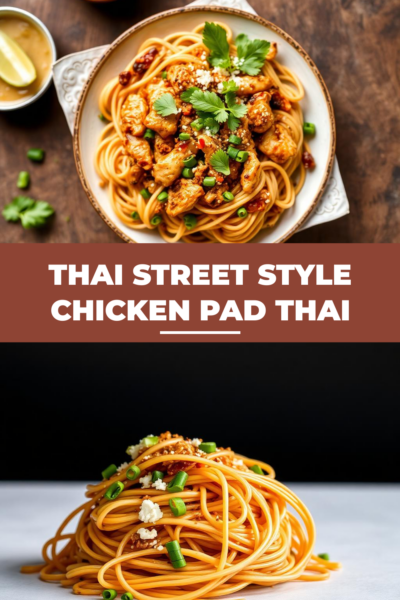
Time: 20 minutes · Serves: 4 · The key step: Cook the sauce until it coats the spoon before adding the chicken.
This is a quick skillet version of the takeout classic, with crispy chicken pieces tossed in a glossy, sweet-tangy orange sauce. It is a weeknight dinner that comes together faster than delivery, and it pairs well with steamed rice and a green vegetable.
Ingredients
- 1 lb (450 g) boneless, skinless chicken breasts or thighs, cut into 1-inch (2.5 cm) pieces
- 1/2 cup (60 g) cornstarch
- 1/2 teaspoon salt
- 1/4 teaspoon black pepper
- 2 tablespoons (30 ml) vegetable oil, divided
- 1/2 cup (120 ml) orange juice (from about 2 oranges)
- 1/4 cup (60 ml) low-sodium soy sauce
- 3 tablespoons (45 g) brown sugar
- 2 tablespoons (30 ml) rice vinegar
- 1 tablespoon (15 ml) grated orange zest (from 1 orange)
- 2 cloves garlic, minced
- 1 teaspoon grated fresh ginger
- 1 tablespoon (8 g) cornstarch mixed with 1 tablespoon (15 ml) water (slurry)
- 1/4 cup (25 g) sliced green onions, for garnish
Instructions
- In a medium bowl, toss the chicken pieces with the 1/2 cup cornstarch, salt, and pepper until each piece is coated. Shake off any excess.
- Heat 1 tablespoon (15 ml) of the oil in a large nonstick skillet over medium-high heat. Add half the chicken in a single layer. Cook for 3-4 minutes, turning once, until golden and cooked through. The internal temperature should reach 165°F (74°C), the USDA FSIS safe minimum for poultry. Transfer to a plate. Repeat with the remaining oil and chicken.
- In the same skillet, combine the orange juice, soy sauce, brown sugar, rice vinegar, orange zest, garlic, and ginger. Bring to a simmer over medium heat, scraping up any browned bits from the pan.
- Stir the cornstarch slurry into the sauce. Simmer for 1-2 minutes, stirring constantly, until the sauce thickens and coats the back of a spoon.
- Return the cooked chicken to the skillet. Toss to coat in the sauce. Cook for 1 minute until heated through. Garnish with green onions and serve immediately.
Why the Sauce Turns Out Too Runny or Too Thick
The sauce thickens quickly once the slurry is added, but it also continues to thicken as it sits. If it is too runny after 2 minutes of simmering, cook it for another minute. If it becomes too thick, stir in 1-2 tablespoons (15-30 ml) of water or orange juice to loosen it. The sauce should cling to the chicken without pooling excessively on the plate.
Why the Chicken Gets Soggy or Dry
Soggy chicken happens when the pieces are overcrowded in the skillet, which traps steam and prevents browning. Cook in two batches, and make sure the oil is hot before adding the chicken. Dry chicken happens when it is overcooked in the skillet; since the pieces are small, they cook quickly. Use a food thermometer and pull them at 165°F (74°C) instead of relying on time alone.
Scaling for Half or Double Batches
| Batch | Chicken | Cornstarch | Orange juice | Soy sauce | Brown sugar | Rice vinegar |
|---|---|---|---|---|---|---|
| Half (serves 2) | 8 oz (225 g) | 1/4 cup (30 g) | 1/4 cup (60 ml) | 2 tbsp (30 ml) | 1.5 tbsp (22 g) | 1 tbsp (15 ml) |
| Full (serves 4) | 1 lb (450 g) | 1/2 cup (60 g) | 1/2 cup (120 ml) | 1/4 cup (60 ml) | 3 tbsp (45 g) | 2 tbsp (30 ml) |
| Double (serves 8) | 2 lb (900 g) | 1 cup (120 g) | 1 cup (240 ml) | 1/2 cup (120 ml) | 6 tbsp (90 g) | 1/4 cup (60 ml) |
For a double batch, use a larger skillet or cook the chicken in three batches. The sauce will take a few minutes longer to reduce, so simmer until it coats the spoon.
Swaps That Change the Result
Use chicken thighs instead of breasts for juicier meat; they take the same time to cook. Replace orange juice with tangerine juice for a milder flavor, or add 1/2 teaspoon of orange extract if you want a stronger orange taste. For a gluten-free version, use tamari instead of soy sauce and make sure the cornstarch is labeled gluten-free. For a less sweet sauce, reduce the brown sugar to 2 tablespoons (30 g) and add an extra tablespoon (15 ml) of rice vinegar.
Storing and Reheating Leftovers
Refrigerate leftovers in an airtight container within 2 hours of cooking. They will keep for 3-4 days. To reheat, place in a skillet over medium heat with a splash of water or orange juice, stirring until heated through to 165°F (74°C). You can also reheat in the microwave in 30-second increments, stirring between each. The coating will soften on reheating; that is normal. Freeze the cooked dish in a freezer-safe container for up to 3 months. Thaw overnight in the refrigerator before reheating.
What to Serve With It
Steamed jasmine or white rice is the standard base. For a lower-carb option, serve over cauliflower rice. Add a side of steamed broccoli or snap peas to balance the sweetness. If you want extra heat, stir in 1/2 teaspoon of red pepper flakes with the garlic and ginger.
Safe minimum internal temperatures follow USDA FSIS; raw-fish guidance follows the U.S. FDA. See our food safety notes.
Spotted an error? Tell us and we will correct it (corrections policy).