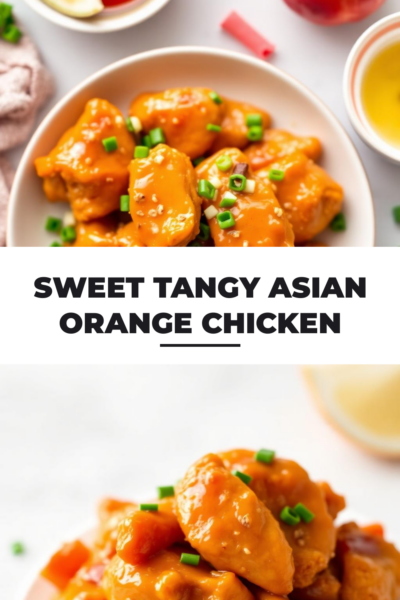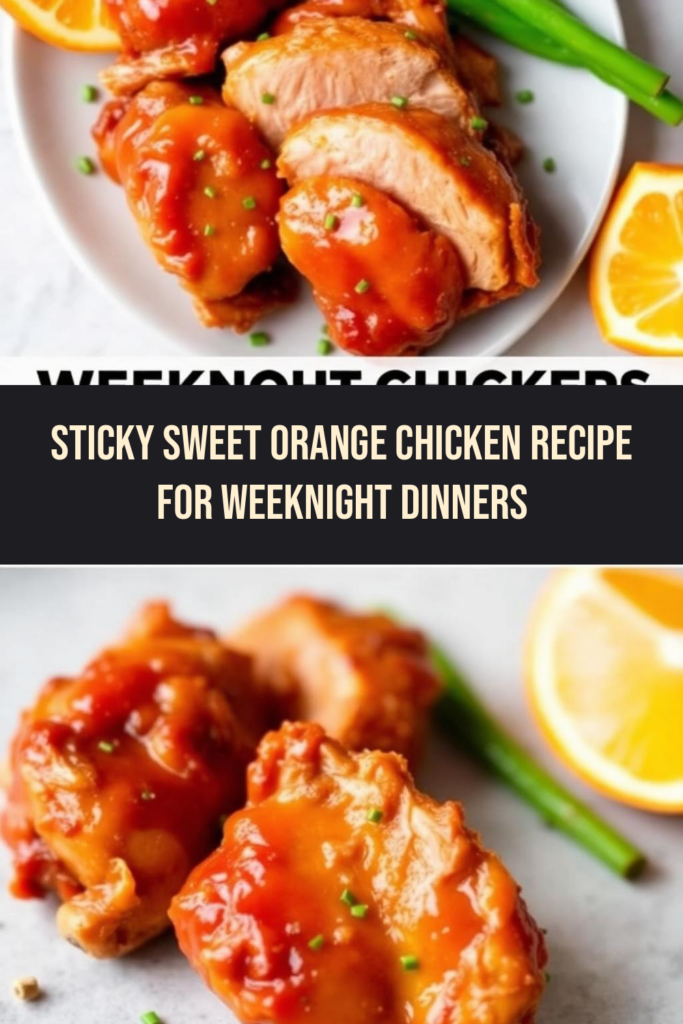
Time: 35 minutes · Serves: 4 · The key step: simmer the sauce until it coats a spoon. This is a homemade version of the take-out classic: crispy chicken pieces tossed in a glossy, sweet-tangy orange sauce with a hint of garlic and ginger. It comes together in about 35 minutes, making it a reliable weeknight dinner that beats delivery.
Ingredients
- 1 lb (450 g) boneless, skinless chicken thighs, cut into 1-inch (2.5 cm) pieces
- 1/2 cup (60 g) cornstarch
- 2 large eggs, beaten
- 1/2 cup (60 g) all-purpose flour
- 1/2 tsp salt
- 1/4 tsp black pepper
- 1/2 cup (120 ml) vegetable oil, for frying
- 1/2 cup (120 ml) fresh orange juice (about 2 oranges)
- 1/4 cup (60 ml) soy sauce
- 1/4 cup (60 ml) rice vinegar
- 1/2 cup (100 g) granulated sugar
- 1 tbsp (15 ml) grated orange zest (about 1 orange)
- 1 tsp grated fresh ginger
- 2 cloves garlic, minced
- 1 tbsp (8 g) cornstarch mixed with 2 tbsp (30 ml) water (slurry)
- Sliced green onions and sesame seeds for garnish (optional)
Instructions
- Prep the chicken: Pat the chicken pieces dry with paper towels. In a shallow bowl, whisk together the flour, 1/2 cup cornstarch, salt, and pepper. Dip each piece into the beaten eggs, then coat thoroughly in the flour mixture. Shake off excess.
- Heat the oil: In a large skillet or wok, heat the vegetable oil over medium-high heat until shimmering (about 350°F / 175°C). Working in batches to avoid crowding, add the chicken pieces in a single layer. Fry for 4–5 minutes per side, until golden brown and cooked through. The chicken is done when it reaches an internal temperature of 165°F (74°C) as measured with a food thermometer (USDA FSIS safe minimum). Transfer to a paper-towel-lined plate.
- Make the sauce: In a small saucepan, combine the orange juice, soy sauce, rice vinegar, sugar, orange zest, ginger, and garlic. Bring to a simmer over medium heat, stirring to dissolve the sugar. Cook for 3–4 minutes.
- Thicken the sauce: Whisk the cornstarch slurry again, then pour it into the simmering sauce. Stir constantly for 1–2 minutes, until the sauce thickens to a syrupy consistency that coats the back of a spoon. Remove from heat.
- Combine: Add the fried chicken to the sauce and toss gently to coat every piece. The sauce will cling to the crispy coating. Garnish with green onions and sesame seeds if using. Serve immediately.
Doneness Cues and Common Mistakes
Chicken doneness: The chicken is done when the internal temperature reads 165°F (74°C) on an instant-read thermometer. If you don’t have a thermometer, cut into a piece; the juices should run clear and the meat should no longer be pink in the center.
Mistake 1: Overcrowding the pan. Frying too many pieces at once lowers the oil temperature, making the coating soggy and the chicken greasy. Fry in batches, keeping the oil at a steady shimmer.
Mistake 2: Sauce too thin or too thick. If the sauce is too thin, simmer it longer before adding the chicken; if it becomes too thick after adding the chicken, stir in a tablespoon of water to loosen it. The sauce should coat a spoon but still flow.
Mistake 3: Adding the sauce to cold chicken. If the chicken sits too long before tossing, the coating loses its crunch. Toss the chicken while both are still hot.
Variations and Swaps
- Chicken breasts: Use boneless, skinless breasts instead of thighs. They cook faster, so reduce frying time to 3–4 minutes per side. Check temperature with a thermometer.
- Gluten-free: Use gluten-free all-purpose flour in place of regular flour and tamari instead of soy sauce. The cornstarch is already gluten-free.
- Less sweet: Reduce sugar to 1/3 cup (65 g) and add 1 tablespoon of honey or maple syrup if you want a different sweetener. The sauce will be less sticky.
- Spicy: Add 1/2 teaspoon of red pepper flakes or a teaspoon of sriracha to the sauce for heat.
Storing Leftovers
Refrigerate leftover orange chicken in an airtight container within 2 hours of cooking. It will keep for 3–4 days. To reheat, place in a skillet over medium heat with a splash of water or orange juice, stirring until heated through to 165°F (74°C). The coating will soften, but the flavor remains. Freezing is not recommended because the crispy coating becomes soggy.
What to Serve With It
Serve over steamed jasmine rice or cauliflower rice. A side of stir-fried broccoli or a simple green salad balances the sweetness. For a complete meal, add a bowl of miso soup or edamame.
Frequently Asked Questions
Can I use bottled orange juice? Yes, but fresh juice gives a brighter flavor. If using bottled, choose one without added sugar to control sweetness.
How do I make it less sticky? Reduce the sugar to 1/4 cup (50 g) and use 1 tablespoon less cornstarch in the slurry. The sauce will be lighter and less glossy.
Can I bake the chicken instead of frying? Yes. Preheat oven to 425°F (220°C). Place coated chicken on a wire rack over a baking sheet and bake for 20–25 minutes, turning once, until golden and cooked through. The coating will be less crispy than fried.
Is this recipe safe for raw flour? The flour is cooked during frying, so it is safe. If you eat any raw batter, heat-treat the flour first to 160°F (71°C) and use pasteurized eggs.
Safe minimum internal temperatures follow USDA FSIS; raw-fish guidance follows the U.S. FDA. See our food safety notes.
Spotted an error? Tell us and we will correct it (corrections policy).