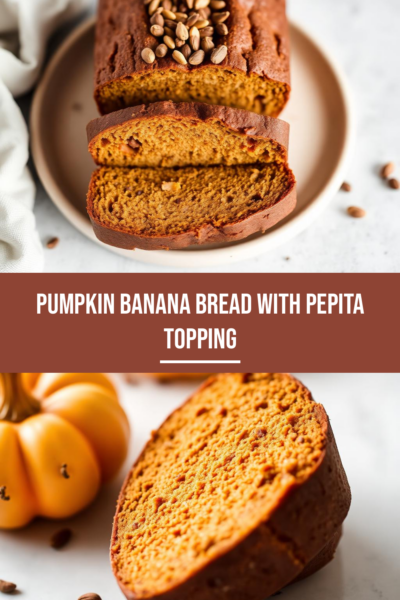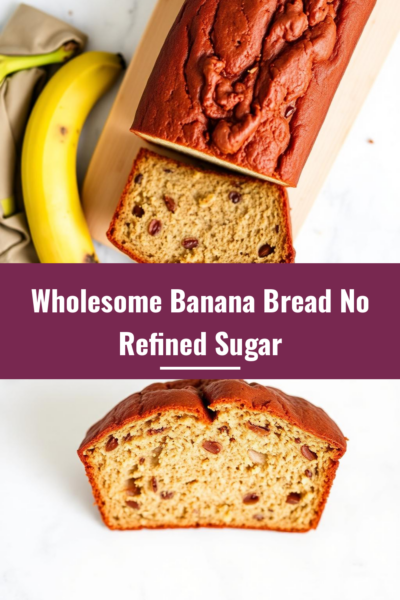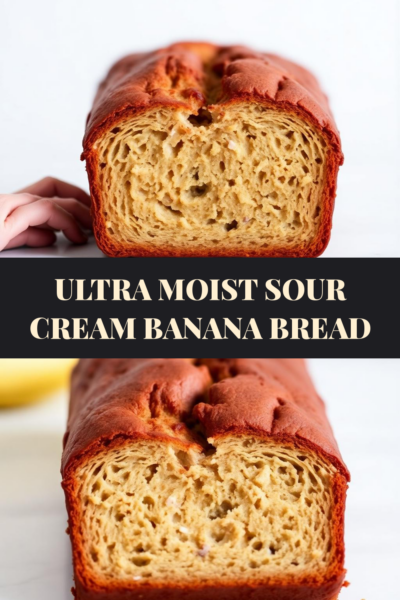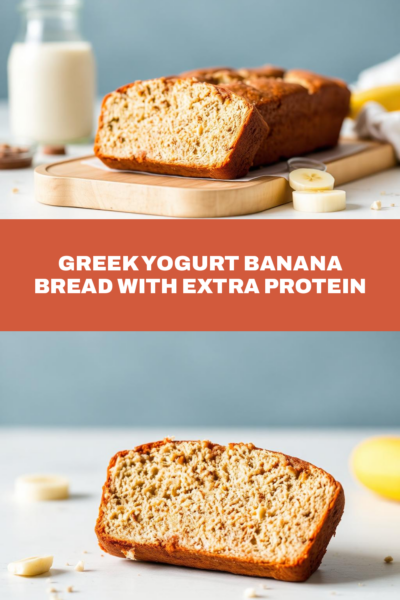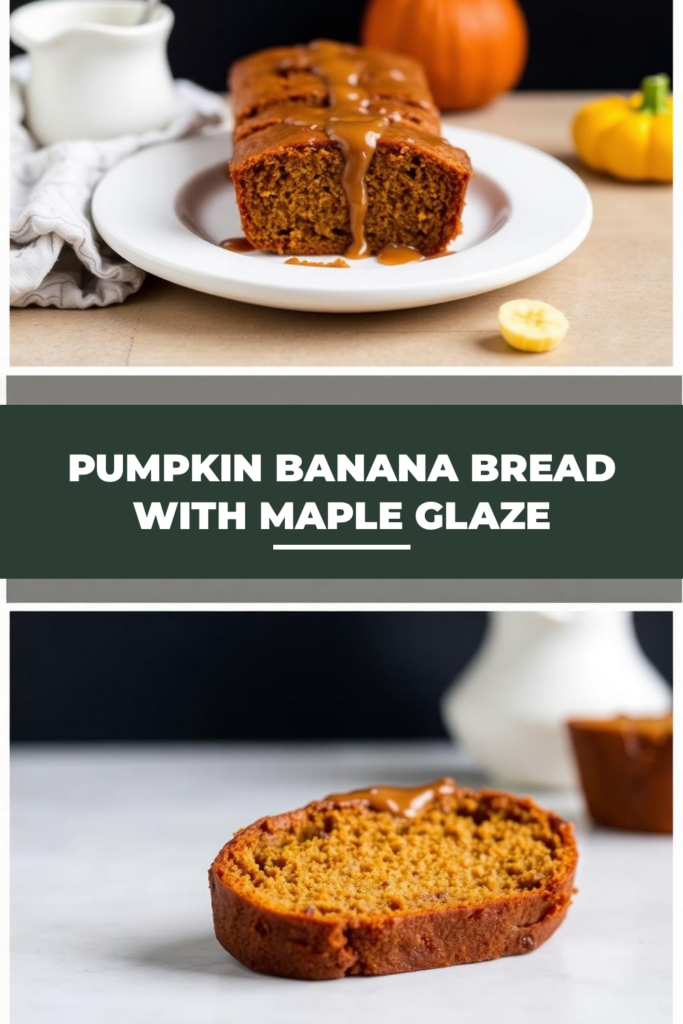
This quick bread bakes up moist and tender, with the combined flavors of ripe banana and pumpkin puree, finished with a maple glaze that seeps into the warm crust. The method uses both mashed banana and pumpkin puree, which keep the crumb dense and sliceable without turning gummy. It’s a good choice for fall breakfasts, afternoon coffee, or a lunchbox treat that stays soft for days.
Choose Your Loaf Pan and Preheat the Oven
Use a standard 9×5-inch (23×13 cm) loaf pan. If you only have an 8×4-inch (20×10 cm) pan, the loaf will be taller and need about 10 extra minutes of baking. Line the pan with parchment paper or grease it thoroughly with butter or nonstick spray. Preheat the oven to 350°F (175°C) before you start mixing.
Gather the Ingredients for the Batter and Glaze
For the bread
- 1 3/4 cups (220 g) all-purpose flour
- 1 teaspoon baking soda
- 1/2 teaspoon baking powder
- 1/2 teaspoon salt
- 1 teaspoon ground cinnamon
- 1/2 teaspoon ground nutmeg
- 1/4 teaspoon ground cloves
- 1 cup (200 g) granulated sugar
- 1/2 cup (120 ml) neutral oil, such as canola or vegetable
- 2 large eggs, at room temperature
- 1 cup (240 g) mashed ripe banana (about 2 large bananas)
- 1 cup (240 g) canned pumpkin puree (not pumpkin pie filling)
- 1 teaspoon vanilla extract
For the maple glaze
- 1 cup (120 g) powdered sugar, sifted
- 2 tablespoons (30 ml) pure maple syrup
- 1 tablespoon (15 ml) milk or cream, plus more if needed
- Pinch of salt
Mix the Batter in Two Bowls
- In a medium bowl, whisk together the flour, baking soda, baking powder, salt, cinnamon, nutmeg, and cloves. Set aside.
- In a large bowl, whisk the sugar and oil until combined. Add the eggs one at a time, whisking well after each.
- Stir in the mashed banana, pumpkin puree, and vanilla until smooth.
- Pour the dry ingredients into the wet mixture. Fold with a spatula until just combined — a few streaks of flour are fine. Do not overmix, or the bread will be tough.
- Scrape the batter into the prepared loaf pan and smooth the top.
- Bake at 350°F (175°C) for 55–65 minutes, until a toothpick inserted in the center comes out clean or with only a few moist crumbs. If the top browns too quickly, tent loosely with foil after 40 minutes.
- Cool in the pan on a wire rack for 15 minutes, then turn out and cool completely before glazing.
Make the Maple Glaze and Finish the Loaf
- In a small bowl, whisk together the powdered sugar, maple syrup, milk, and salt until smooth. The glaze should be thick but pourable; add milk 1 teaspoon at a time if it is too stiff.
- Place the cooled loaf on a wire rack over a baking sheet. Pour the glaze over the top, letting it drip down the sides.
- Let the glaze set for about 20 minutes before slicing. The glaze will be slightly sticky, which is fine.
Swap Ingredients Without Changing the Texture
- Banana: Use 2 large ripe bananas (about 1 cup mashed). If you have only 1 banana, replace the missing half with 1/4 cup (60 g) unsweetened applesauce — the bread will be slightly less sweet.
- Pumpkin puree: Butternut squash puree works in the same amount; the flavor will be milder. Do not use pumpkin pie filling, which has added sugar and spices.
- Oil: Melted coconut oil or melted butter can replace the neutral oil. Butter adds a richer flavor but makes the crumb a bit denser.
- Eggs: For an egg-free version, use 2 flax eggs (2 tablespoons ground flaxseed mixed with 6 tablespoons water, rested 5 minutes). The loaf will be slightly less tender.
- Spices: Use 2 teaspoons pumpkin pie spice instead of the cinnamon, nutmeg, and cloves.
- Glaze: For a dairy-free glaze, use oat milk or almond milk instead of milk or cream.
Store and Freeze the Loaf for Later
Once the glaze has set, store the bread in an airtight container at room temperature for up to 3 days. The glaze may soften slightly, which is normal. For longer storage, wrap the unglazed loaf tightly in plastic wrap and freeze for up to 3 months. Thaw overnight in the refrigerator, then bring to room temperature before glazing. If you freeze a glazed loaf, the glaze may crack or weep; it is best to glaze after thawing.
Slice with a serrated knife for clean edges. Serve plain, or toast slices and spread with butter. The bread pairs well with coffee or chai. For a dessert version, serve with a scoop of vanilla ice cream or a drizzle of warm maple syrup.
Check for Doneness and Fix Common Issues
The bread is done when a toothpick inserted in the center comes out clean or with only a few moist crumbs. If the top cracks deeply, the oven was too hot or the batter was overmixed; it still tastes fine. If the center sinks after baking, the bread was underbaked — return it to the oven for 5–10 minutes if you notice it while still warm. If the edges are dark but the center is raw, your oven runs hot; reduce the temperature to 325°F (165°C) next time and bake a little longer.
Raw flour and raw eggs are in the batter before baking. Do not eat the raw batter. Bake the bread fully to an internal temperature of 200°F (93°C) if you want to be precise, or rely on the toothpick test.
Safe minimum internal temperatures follow USDA FSIS; raw-fish guidance follows the U.S. FDA. See our food safety notes.
Spotted an error? Tell us and we will correct it (corrections policy).