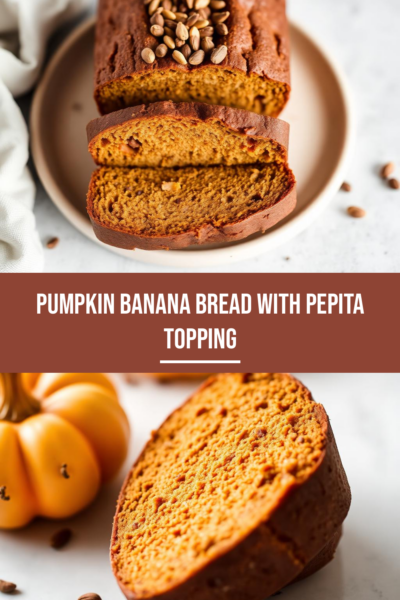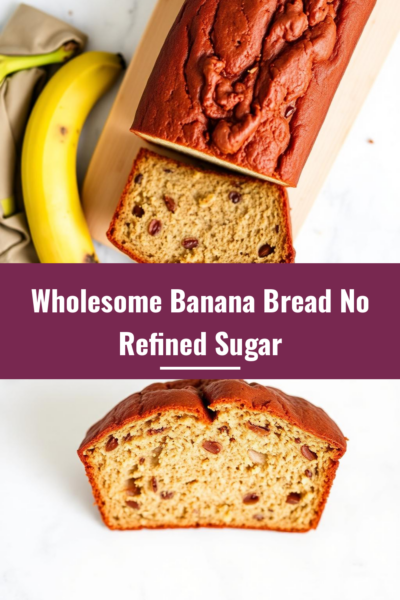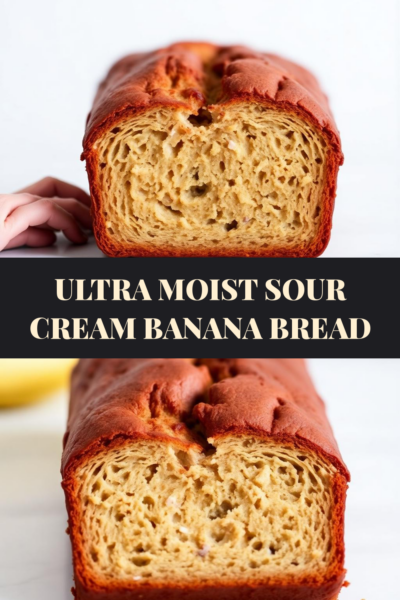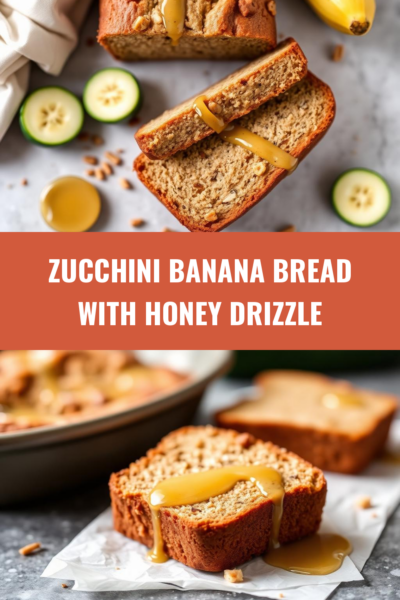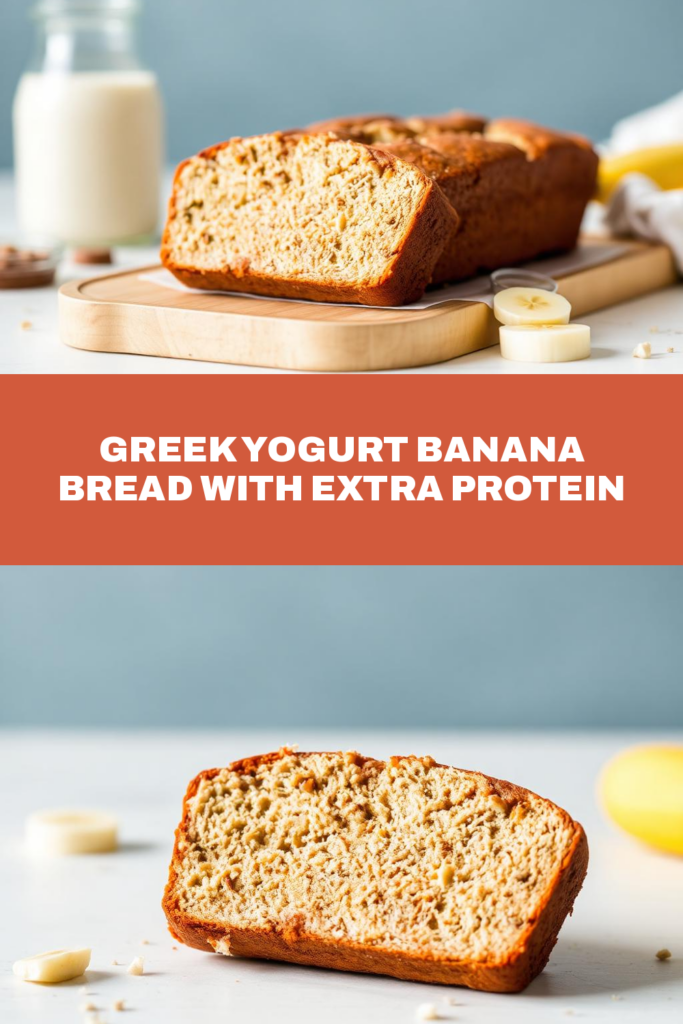
This banana bread bakes up tender and moist with a fine crumb, thanks to Greek yogurt replacing part of the butter and oil. The yogurt also adds a subtle tang and a solid protein boost—about 6 grams per slice from the yogurt alone—without making the loaf dense or gummy. It is a solid choice for a high-protein breakfast slice, a post-workout snack, or a lunchbox addition.
Ingredients
- 1 3/4 cups (220 g) all-purpose flour
- 1 tsp baking soda
- 1/2 tsp baking powder
- 1/2 tsp salt
- 1 tsp ground cinnamon
- 3 ripe medium bananas, mashed (about 1 1/2 cups / 340 g)
- 1 cup (245 g) plain Greek yogurt (full-fat or 2%)
- 1/2 cup (100 g) granulated sugar
- 1/4 cup (60 ml) honey or maple syrup
- 2 large eggs
- 1 tsp vanilla extract
- 1/4 cup (60 ml) melted coconut oil or neutral oil (like canola)
- 1/2 cup (60 g) chopped walnuts or pecans (optional)
Instructions
- Heat the oven to 350°F (175°C). Grease a 9×5-inch (23×13 cm) loaf pan and line it with parchment paper, leaving overhang on two sides.
- In a medium bowl, whisk the flour, baking soda, baking powder, salt, and cinnamon until combined.
- In a large bowl, mash the bananas well. Whisk in the Greek yogurt, sugar, honey, eggs, vanilla, and melted oil until smooth.
- Pour the dry ingredients into the wet mixture and stir with a spatula just until no streaks of flour remain. Fold in the nuts if using. Do not overmix—the batter will be thick and slightly lumpy.
- Scrape the batter into the prepared pan and smooth the top. Bake for 50–60 minutes, until a toothpick inserted in the center comes out clean or with just a few moist crumbs. If the top browns too quickly, tent loosely with foil after 40 minutes.
- Let the loaf cool in the pan on a rack for 15 minutes, then lift it out using the parchment and cool completely on the rack before slicing.
Why Greek Yogurt Works Here
Greek yogurt is thicker and higher in protein than regular yogurt, so it adds moisture without thinning the batter. It also provides acidity that reacts with the baking soda, helping the loaf rise. Using 1 cup (245 g) of Greek yogurt replaces about 1/4 cup (60 ml) of butter or oil that a standard banana bread calls for, cutting some fat while keeping the crumb tender.
Swap the Protein Source
If you want even more protein, you can add a scoop of unflavored or vanilla protein powder. Reduce the flour by 2 tablespoons (16 g) per 1/4 cup (30 g) of protein powder, and add 2 tablespoons (30 ml) of milk or water to keep the batter moist. Whey protein will make the loaf slightly airy; plant-based protein may make it a bit denser. For a dairy-free version, use a plain non-dairy yogurt (like coconut or soy) and a neutral oil in place of the melted coconut oil if you prefer.
Banana Bread Storage and Make-Ahead
Wrap the cooled loaf tightly in plastic wrap or foil. It will keep at room temperature for up to 3 days, or in the refrigerator for up to 5 days. For longer storage, slice the bread and freeze in a zip-top bag for up to 3 months; thaw slices at room temperature or toast them directly from frozen. The yogurt keeps the loaf moist, so it actually tastes better on day two.
Serve It With
Slice the bread and serve it plain, or spread with a little butter, peanut butter, or almond butter for extra protein. It pairs well with a glass of milk or a cup of coffee. For a breakfast plate, toast a slice and top with a fried egg—the tangy bread works surprisingly well with savory eggs.
When to Check for Doneness
Ovens vary, so start checking at 50 minutes. The bread is done when a toothpick inserted into the center comes out clean or with a few moist crumbs, not wet batter. The internal temperature of the loaf should read about 200°F (93°C) on an instant-read thermometer. If the top is browning too fast but the center is still wet, lower the oven to 325°F (165°C) for the last 15 minutes.
Can You Use Frozen Bananas?
Yes. Thaw frozen bananas at room temperature or in the microwave, then drain off any excess liquid before mashing. The bananas will be softer and darker, but they work fine. You may need to reduce the sugar slightly if the bananas are very ripe and sweet, but keeping the listed amount is safe.
Why the Bread Might Sink in the Middle
A sunken center usually means the batter was overmixed, which develops too much gluten and makes the loaf rise then collapse. It can also happen if the loaf is underbaked. Mix just until the flour disappears, and always test with a toothpick at the minimum baking time. Another cause is too much banana—stick to 1 1/2 cups (340 g) mashed, about 3 medium bananas.
Safe minimum internal temperatures follow USDA FSIS; raw-fish guidance follows the U.S. FDA. See our food safety notes.
Spotted an error? Tell us and we will correct it (corrections policy).