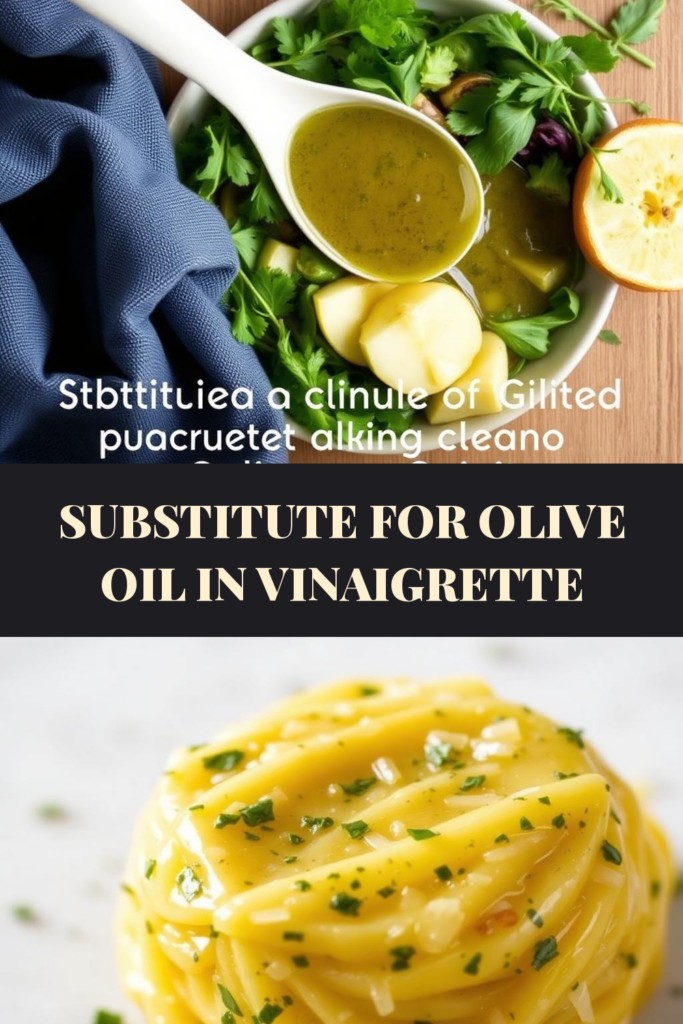
Olive oil is the usual base for vinaigrette, but you can swap in almost any neutral or flavorful oil and still get a smooth emulsion. The key is matching the oil’s flavor strength to the vinegar and other ingredients—delicate oils work with mild vinegars, while bold oils need assertive partners. This guide covers the best substitutes, how each changes the dressing, and exact ratios for common batch sizes.
What Oil Can I Use Instead of Olive Oil?
Any liquid oil works in a vinaigrette; the choice affects flavor, texture, and smoke point (though you won’t be heating it). Here are the most useful substitutes, ranked by how closely they mimic olive oil.
- Avocado oil – Neutral, buttery, and smooth. Use it 1:1 for a mild, clean dressing. Best for delicate greens and citrus vinaigrettes.
- Canola oil – Very neutral, light texture. Use 1:1. Good when you want the vinegar and herbs to lead.
- Grapeseed oil – Neutral with a slightly nutty edge. Use 1:1. Works well with white wine vinegar or lemon.
- Sunflower oil – Neutral, light. Use 1:1. Similar to canola; fine for any vinaigrette.
- Walnut oil – Rich, nutty, and assertive. Use 1:1 but reduce the amount by 1–2 tablespoons if you want a milder flavor. Pairs with red wine vinegar and shallots.
- Sesame oil (toasted) – Strong, nutty, and dark. Use only 1–2 tablespoons per 1/4 cup of another neutral oil. Best for Asian-style dressings with rice vinegar and soy sauce.
- Vegetable oil – A blend of neutral oils; use 1:1. The most common pantry substitute.
If you’re out of all oils, you can make a vinaigrette with yogurt or sour cream as the base, but that’s a creamy dressing, not a true vinaigrette—it will be thicker and tangier.
How Do I Adjust the Recipe for a Substitute?
The standard vinaigrette ratio is 3 parts oil to 1 part vinegar (by volume). That ratio stays the same for neutral oils. For stronger-flavored oils, reduce the oil slightly and add a splash of water or extra vinegar to balance.
Here’s a base recipe that works with any substitute:
- 3 tablespoons (45 ml) substitute oil
- 1 tablespoon (15 ml) vinegar (red wine, white wine, apple cider, or lemon juice)
- 1/2 teaspoon Dijon mustard (optional, helps emulsify)
- 1 small shallot, minced (about 1 tablespoon)
- Salt and pepper to taste
Whisk the vinegar, mustard, shallot, salt, and pepper in a bowl. Slowly drizzle in the oil while whisking constantly until emulsified. Taste and adjust with more salt or vinegar.
What Changes with Each Substitute?
Each oil changes the dressing in a specific way. Here’s what to expect:
- Avocado, canola, grapeseed, sunflower, vegetable – The dressing will be lighter and less fruity than olive oil. The vinegar and herbs become more prominent. Texture is similar.
- Walnut oil – Adds a pronounced nutty flavor that pairs well with bitter greens (arugula, radicchio) and blue cheese. It can overpower delicate salads, so use less.
- Sesame oil – Gives an Asian flavor. Combine with rice vinegar, soy sauce, and a touch of honey. Use only a small amount.
- Butter (clarified or melted) – Not a true oil, but clarified butter (ghee) can be used warm. It will solidify when chilled, so serve immediately. Flavor is rich and buttery.
If you’re replacing olive oil in a recipe that calls for extra-virgin olive oil, know that extra-virgin has a peppery, grassy taste. Neutral oils won’t replicate that—add a pinch of dried herbs (oregano, thyme) or a squeeze of lemon to mimic some of the brightness.
How Much Do I Need for Different Batch Sizes?
Use this table to scale the base recipe. The ratio is always 3:1 oil to vinegar.
| Servings | Oil | Vinegar | Mustard (optional) |
|---|---|---|---|
| 1 (about 2 tbsp) | 1.5 tbsp (22 ml) | 0.5 tbsp (7 ml) | 1/4 tsp |
| 2 (about 1/4 cup) | 3 tbsp (45 ml) | 1 tbsp (15 ml) | 1/2 tsp |
| 4 (about 1/2 cup) | 6 tbsp (90 ml) | 2 tbsp (30 ml) | 1 tsp |
| 8 (about 1 cup) | 3/4 cup (180 ml) | 1/4 cup (60 ml) | 2 tsp |
For a single salad, 2 tablespoons of dressing is usually enough for 4–6 cups of greens.
How Long Does Vinaigrette Keep?
Vinaigrette with a neutral oil (avocado, canola, grapeseed, sunflower, vegetable) keeps in the refrigerator for up to 2 weeks. Shake or whisk before using—it will separate.
Vinaigrette with walnut or sesame oil keeps for about 1 week because those oils go rancid faster. If you add fresh herbs or garlic, use within 4 days (garlic in oil is a botulism risk if left longer). Always refrigerate and discard if there’s any off smell.
Do not leave vinaigrette at room temperature for more than 2 hours. If it contains perishable add-ins like cheese or yogurt, refrigerate within 1 hour.
What Goes Wrong and How to Fix It?
Dressing separates immediately – This is normal; oil and vinegar don’t mix without an emulsifier. Whisk again, or add 1/2 teaspoon Dijon mustard to help it stay together longer.
Too oily or greasy – You used too much oil or a heavy oil like walnut. Add a splash of vinegar and a pinch of salt, then whisk.
Too sharp or acidic – The vinegar is too strong for the oil. Add more oil in small increments, or a pinch of sugar to balance.
What to Serve with Substitute Vinaigrette
This vinaigrette works on any green salad. For a simple side, toss with mixed greens, sliced cucumber, and cherry tomatoes. For a main salad, add grilled chicken (cook to 165°F/74°C) or chickpeas. The neutral-oil version pairs with everything; walnut oil suits arugula and pear salad; sesame oil suits cabbage slaw with rice vinegar.
Related
- Lemon Bread With Oil: Moist Quick Bread Recipe
- Can You Make Bread With Coconut Oil? Yes—Here’s How
- Breakfast Pasty with Olive: Savory Hand Pie
Safe minimum internal temperatures follow USDA FSIS; raw-fish guidance follows the U.S. FDA. See our food safety notes.
Spotted an error? Tell us and we will correct it (corrections policy).