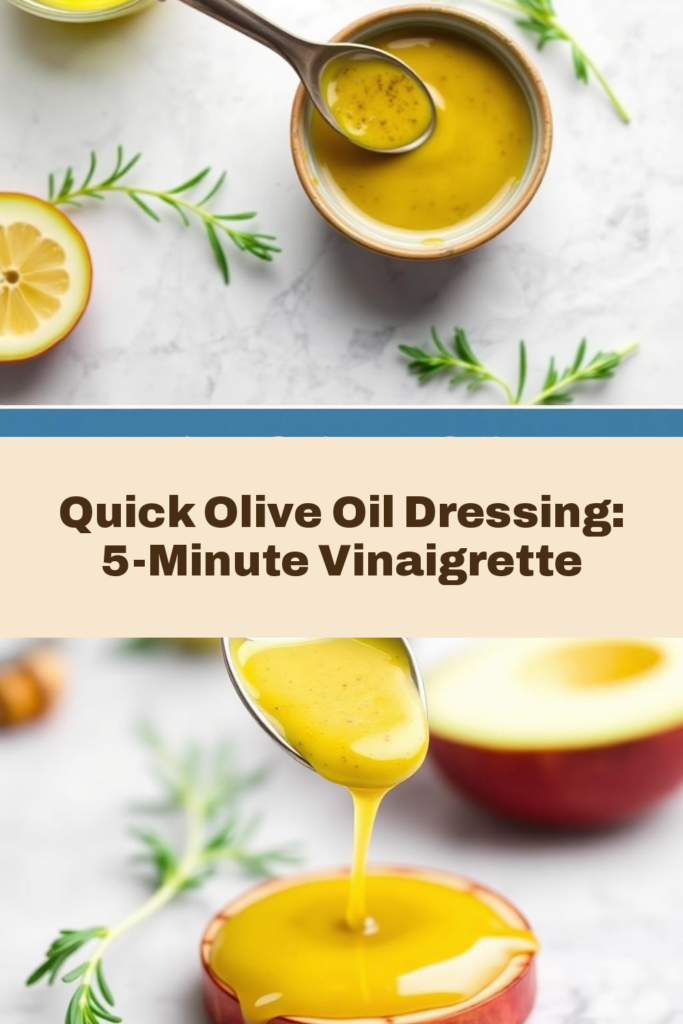
Time: 5 minutes · Serves: 4 · The key step: Whisk the vinegar and salt together first, then add the oil in a slow stream so the dressing emulsifies and clings to greens.
This is a simple, bright vinaigrette made with extra-virgin olive oil, red wine vinegar, Dijon mustard, and a pinch of salt and pepper. It suits a weeknight salad, a quick lunch, or a side dish for grilled chicken or fish. The dressing is tangy, slightly sharp, and smooth, with a clean finish.
Why the Order of Mixing Matters
The dressing works because the mustard acts as an emulsifier, helping the vinegar and oil stay blended longer. If you just shake everything together, the oil and vinegar separate within minutes and the dressing tastes harsh. The technique is simple: dissolve the salt in the vinegar first (salt doesn’t dissolve in oil), then add the mustard, then whisk in the oil slowly. This creates a temporary emulsion that holds for a few hours.
For a more stable dressing, use a small jar with a tight lid. Add the vinegar, salt, mustard, and pepper, close the jar, and shake for 10 seconds. Then add the oil and shake again for 20–30 seconds until the mixture looks creamy and slightly thickened. The mustard and the vigorous shaking do the work.
Ingredients
- 3 tablespoons (45 ml) red wine vinegar
- 1 teaspoon (5 ml) Dijon mustard
- 1/4 teaspoon fine sea salt
- 1/8 teaspoon freshly ground black pepper
- 1/2 cup (120 ml) extra-virgin olive oil
Optional additions: 1 small garlic clove, minced (adds a pungent bite); 1 teaspoon (5 ml) honey or maple syrup (softens the tartness); 1 tablespoon (15 ml) finely chopped shallot (adds a mild onion flavor).
Swaps: Use white wine vinegar or apple cider vinegar instead of red wine vinegar for a milder or fruitier note. Use lemon juice (about 2 tablespoons, 30 ml) in place of vinegar for a brighter, citrusy dressing. If you don’t have Dijon, use 1/2 teaspoon of yellow mustard, but the dressing will be less smooth and slightly thicker.
Instructions
- In a small bowl, combine the red wine vinegar, Dijon mustard, salt, and pepper. Whisk with a fork until the salt is dissolved, about 20 seconds.
- Slowly drizzle in the olive oil while whisking constantly. Keep whisking until the dressing looks creamy and slightly opaque, about 30–60 seconds. If using garlic, shallot, or sweetener, add them with the vinegar in step 1.
- Taste the dressing on a piece of lettuce, not straight from the spoon, to check the salt and acid balance. Add a pinch more salt or a few drops of vinegar if needed.
- Use immediately, or store in a sealed jar in the refrigerator for up to 5 days. Whisk or shake well before each use because the dressing will separate as it sits.
What Ruins a Simple Vinaigrette
The most common mistake is adding the oil too quickly. If you pour it all at once, the dressing never emulsifies and will taste oily and sharp. Another mistake is using cold olive oil straight from the fridge; it thickens and pours unevenly. Let the oil sit at room temperature for 15 minutes before making the dressing.
Oversalting is easy because the salt dissolves into the vinegar, so it tastes fine at first but becomes saltier as it sits. Use the 1/4 teaspoon measure and don’t add more until you’ve tasted it on a leaf. Also, don’t use a low-quality olive oil; the dressing is mostly oil, so the flavor of the oil is the flavor of the dressing. A fruity, peppery extra-virgin olive oil works best.
If you add garlic or herbs, the dressing becomes a perishable item. Garlic in oil must be refrigerated and used within 4 days to avoid the risk of botulism. Never leave a garlic-olive oil dressing at room temperature. The same rule applies if you add fresh herbs like basil or parsley.
How to Store and Use This Dressing
Store the dressing in a sealed glass jar in the refrigerator for up to 5 days without garlic or herbs, or up to 4 days if you added garlic or fresh herbs. The olive oil will solidify and turn cloudy when cold; that’s normal. Let it sit at room temperature for 10–15 minutes, then shake vigorously for 15 seconds before using. Do not microwave the dressing to melt the oil; it will cook the vinegar and ruin the flavor.
This dressing makes about 1/2 cup (120 ml), enough for 4–6 cups of salad greens. It pairs well with mixed greens, arugula, or romaine, and goes with grilled chicken, roasted vegetables, or a simple tomato-cucumber salad. For a make-ahead plan, mix the vinegar, mustard, salt, and pepper in the jar up to 2 days ahead, then add the oil and shake right before serving. The dressing keeps its texture best when made fresh, but it will still taste good after 2–3 days in the fridge.
For a larger batch, double the recipe and store in a pint jar. Use the same ratio: 3 parts oil to 1 part vinegar, with 1 teaspoon mustard per 1/2 cup of oil. If you want a less acidic dressing, reduce the vinegar to 2 tablespoons (30 ml) and add 1 tablespoon (15 ml) of water to keep the volume.
Related
- Lemon Bread With Oil: Moist Quick Bread Recipe
- Can You Make Bread With Coconut Oil? Yes—Here’s How
- Breakfast Pasty with Olive: Savory Hand Pie
Safe minimum internal temperatures follow USDA FSIS; raw-fish guidance follows the U.S. FDA. See our food safety notes.
Spotted an error? Tell us and we will correct it (corrections policy).