Time: 1 hr 10 min · Serves: 8 · The key step: Whisk the milk into the dry ingredients slowly so the batter stays smooth. This cake bakes into a custard-like pudding layer on the bottom and a sponge on top, with a mild vanilla-milk flavor and a tender, moist crumb. It suits a weeknight dessert, a potluck, or a simple birthday cake.
What This Cake Is
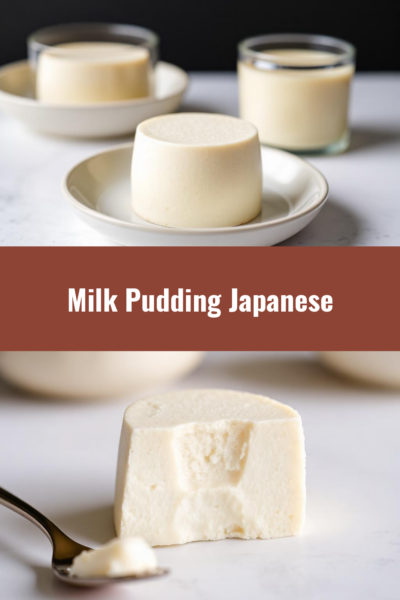
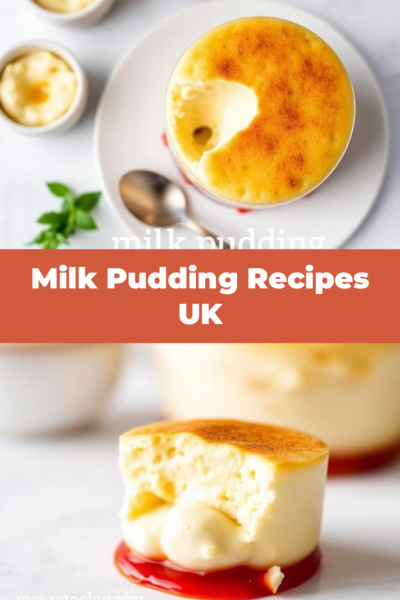
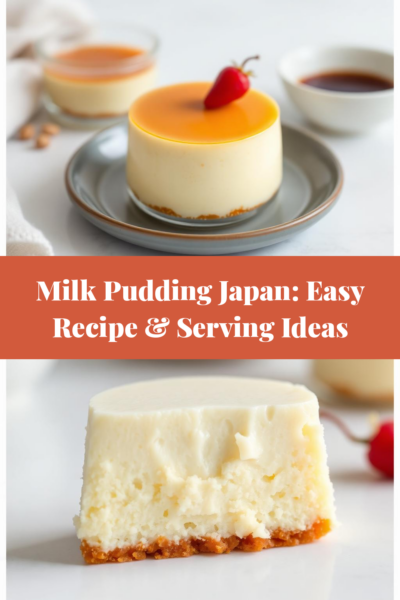
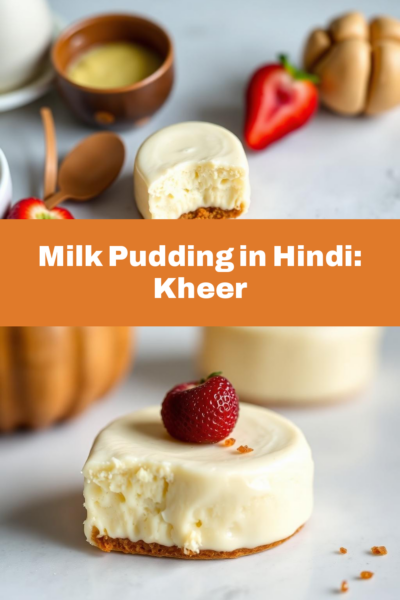
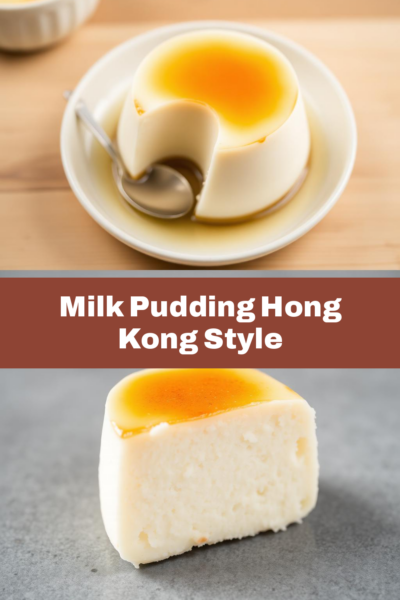
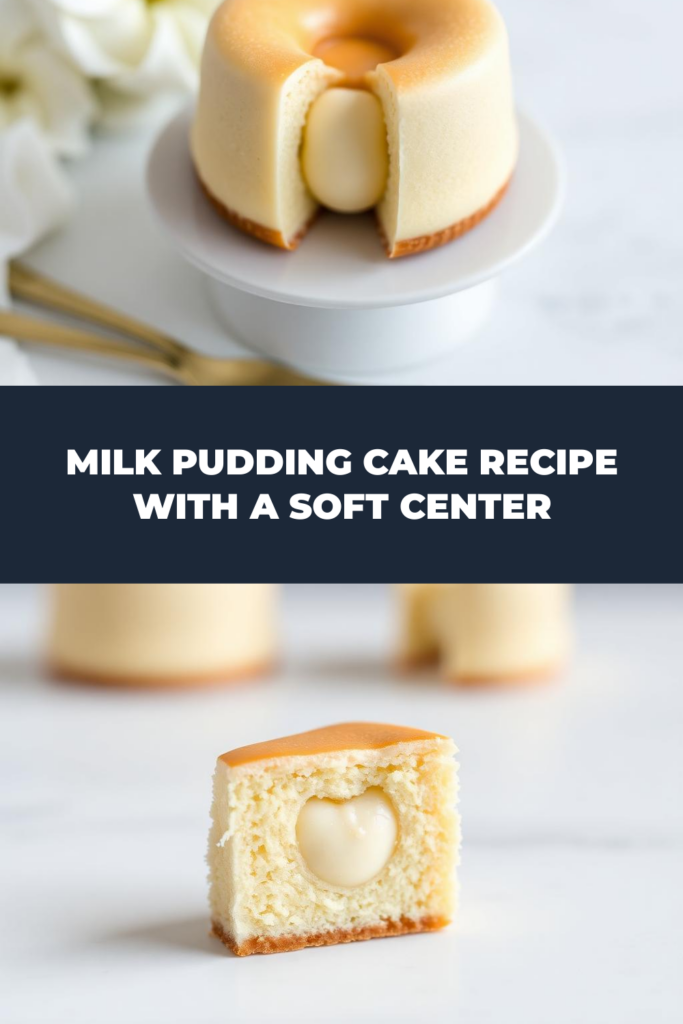
Milk pudding cake, sometimes called “magic custard cake,” is a single batter that separates during baking. The heavier custard sinks to the bottom, and the lighter sponge rises to the top. The result is a two-layer dessert: a soft, pudding-like base under a thin, airy cake. The flavor is gentle, sweet, and milky, with vanilla as the main note. It is best served warm or at room temperature, plain or with fresh berries.
Ingredients
- 4 large eggs, separated, at room temperature (about 200 g total)
- 3/4 cup (150 g) granulated sugar, divided
- 1/2 cup (113 g) unsalted butter, melted and cooled
- 1 teaspoon vanilla extract
- 1/2 cup (65 g) all-purpose flour
- 2 cups (480 ml) whole milk, at room temperature
- 1/4 teaspoon salt
- Powdered sugar for dusting (optional)
Instructions
- Preheat the oven to 325°F (165°C). Lightly butter an 8-inch (20 cm) square baking dish or a 9-inch (23 cm) round cake pan.
- In a large bowl, beat the egg yolks with 1/2 cup (100 g) of the sugar until pale and thick, about 2 minutes. Beat in the melted butter and vanilla.
- Add the flour and salt, and beat until smooth. The mixture will be thick.
- Slowly pour in the milk while beating on low speed. Beat until the batter is completely smooth, about 1 minute. The batter will be very thin.
- In a separate clean bowl, beat the egg whites with the remaining 1/4 cup (50 g) sugar until stiff peaks form, about 3–4 minutes. The whites should hold a firm peak when the whisk is lifted.
- Gently fold the egg whites into the milk mixture in three additions. Use a spatula and fold just until no white streaks remain. Do not overmix; some small white bits are fine.
- Pour the batter into the prepared dish. Place the dish in a larger roasting pan, then pour hot water into the roasting pan until it reaches halfway up the sides of the baking dish.
- Bake for 50–60 minutes, until the top is golden brown and the center is just set but still jiggles slightly when gently shaken. A knife inserted near the center should come out with a little custard clinging to it, not fully clean.
- Remove the dish from the water bath and let cool on a wire rack for at least 20 minutes before serving. The pudding layer will firm as it cools.
Doneness and Texture Cues
The cake is done when the top is deeply golden and springs back lightly when touched. The center will still wobble slightly—that is the custard layer, which is supposed to be soft. If you bake until the center is completely firm, the pudding layer will be less creamy. For a firmer pudding, bake the full 60 minutes; for a softer one, check at 50 minutes. The internal temperature of the custard layer should reach 160°F (71°C) per USDA FSIS for egg dishes; check with an instant-read thermometer inserted into the center.
Mistakes That Change the Result
Overmixing the batter after adding the egg whites deflates the foam, so the sponge layer becomes dense and the cake may not separate cleanly. Fold only until just combined.
Using cold milk or cold eggs can make the batter curdle or the butter re-solidify, leaving a greasy texture. Bring both to room temperature before mixing.
Skipping the water bath causes the custard layer to overcook and curdle, resulting in a grainy, scrambled-egg texture. The water bath keeps the temperature gentle and even.
Variations and Swaps
For a richer flavor, use 1 cup (240 ml) whole milk and 1 cup (240 ml) heavy cream instead of all milk. For a citrus note, replace the vanilla with 1 teaspoon lemon zest and 1 tablespoon lemon juice. To make it gluten-free, substitute the all-purpose flour with a 1-to-1 gluten-free baking flour; the texture will be slightly more crumbly. For a dairy-free version, use melted coconut oil instead of butter and unsweetened oat milk; the pudding layer will be less firm.
Storing Leftovers
Refrigerate leftovers in an airtight container within 2 hours of baking. The cake keeps for 3–4 days in the refrigerator. The pudding layer will set more firmly when cold. To reheat, warm individual slices in a microwave at 50% power for 20–30 seconds, or in a 300°F (150°C) oven for 5–8 minutes. You can freeze the cake for up to 2 months; thaw overnight in the refrigerator before serving. The texture of the custard layer may become slightly watery after freezing, so this is best for the sponge layer alone.
What to Serve With It
Serve warm with a dusting of powdered sugar and fresh strawberries, raspberries, or a spoonful of lightly sweetened whipped cream. The cake is not overly sweet, so a drizzle of caramel or chocolate sauce works well too. It is also good cold, straight from the fridge, for a denser, custard-like bite.
Safe minimum internal temperatures follow USDA FSIS; raw-fish guidance follows the U.S. FDA. See our food safety notes.
Spotted an error? Tell us and we will correct it (corrections policy).