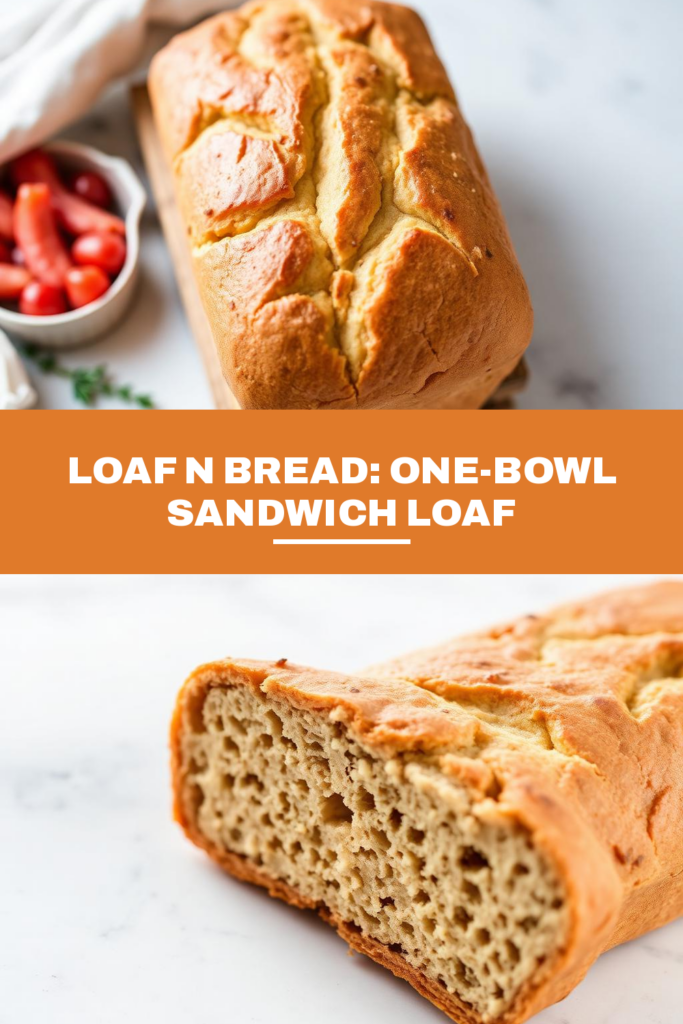
Time 3 hr 15 min · Serves 1 loaf (12 slices) · The key step knead until the dough passes the windowpane test. This is a plain white sandwich loaf made with bread flour, milk, and a little butter — soft, lightly sweet, and sturdy enough for toast or lunchbox sandwiches. It suits a weekend bake when you want a reliable loaf for the week ahead.
Kneading Until the Dough Is Silky, Not Sticky
The dough needs about 10 minutes of kneading by hand (or 6–8 minutes in a stand mixer on medium speed). It is ready when it feels smooth and elastic, and a small piece stretched between your fingers forms a thin, translucent membrane without tearing — the windowpane test. If the dough tears easily, knead 2 minutes more and test again. A slack, under-kneaded dough rises poorly and bakes with a coarse, crumbly crumb.
Use bread flour (12–13% protein) rather than all-purpose; it gives the gluten network the strength to hold the loaf’s height. If you only have all-purpose, the loaf will be slightly shorter and softer — still fine, but not as tall.
Ingredients
- 3 cups (360 g) bread flour, plus more for dusting
- 2 1/4 tsp (7 g) instant yeast (one packet)
- 1 1/2 tsp (9 g) fine salt
- 2 tbsp (25 g) granulated sugar
- 1 cup (240 ml) whole milk, warmed to 105–115°F (40–46°C)
- 1/4 cup (60 ml) water, at room temperature
- 2 tbsp (28 g) unsalted butter, melted and cooled slightly
- 1 large egg, at room temperature (for the dough)
- 1 egg yolk beaten with 1 tbsp milk (for the glaze)
Instructions
- In a large bowl, whisk the flour, yeast, salt, and sugar. Make a well in the center.
- Add the warm milk, water, melted butter, and the whole egg. Stir with a wooden spoon until a shaggy dough forms.
- Turn the dough out onto a lightly floured surface. Knead for 10 minutes (or 6–8 minutes in a stand mixer with the dough hook on medium), adding flour only if the dough sticks to your hands. The dough should be soft but not sticky after kneading, and pass the windowpane test.
- Place the dough in a lightly oiled bowl, cover with plastic wrap or a damp towel, and let rise in a warm spot (75–80°F / 24–27°C) for 1 to 1 1/2 hours, until doubled in size. A finger pressed into the dough leaves an indentation that stays.
- Punch the dough down. On a lightly floured surface, flatten it into a rectangle about 9 by 12 inches (23 by 30 cm). Roll it up tightly from the short end, pinching the seam to seal.
- Place the roll seam-side down in a greased 9 by 5-inch (23 by 13 cm) loaf pan. Cover loosely with oiled plastic wrap and let rise for 45–60 minutes, until the dough is about 1 inch (2.5 cm) above the rim of the pan.
- Preheat the oven to 375°F (190°C) during the last 20 minutes of the second rise.
- Brush the top with the egg yolk and milk glaze. Bake for 30–35 minutes, until the top is deep golden brown and the internal temperature reads 190–200°F (88–93°C) on an instant-read thermometer. If the top browns too quickly, tent loosely with foil after 20 minutes.
- Remove the pan from the oven and let the loaf cool in the pan for 10 minutes. Transfer to a wire rack and cool completely, at least 1 hour, before slicing. Slicing warm bread compresses the crumb and makes it gummy.
What Ruins a Sandwich Loaf: Under-Kneading, Over-Proofing, and Slicing Hot
Under-kneading leaves the dough weak, so the loaf collapses in the oven or bakes with a dense, holey crumb. Over-proofing (letting the second rise go past the rim by more than 1 inch / 2.5 cm) makes the dough slack; the loaf falls in the middle and tastes yeasty. Slicing while warm squashes the crumb and leaves a gummy texture. Let the loaf cool fully — at least 1 hour — before cutting. If the crust is too hard, brush the hot loaf with melted butter after baking, but that is a preference, not a fix for a structural problem.
Another common mistake is adding too much flour during kneading. The dough should feel tacky but not sticky; resist adding more than a dusting. Too much flour produces a dry, crumbly loaf that stales quickly.
Storing and Making Ahead
Store the cooled loaf in a plastic bag or bread box at room temperature for up to 3 days. Do not refrigerate — the cold dries out the crumb and accelerates staling. For longer storage, wrap the cooled loaf tightly in plastic wrap and then foil, and freeze for up to 3 months. Thaw at room temperature, still wrapped, for 3–4 hours. To refresh a day-old loaf, wrap it in foil and warm in a 350°F (175°C) oven for 10 minutes.
For make-ahead convenience, you can refrigerate the shaped dough in the loaf pan overnight after the first rise. Cover tightly and refrigerate for up to 16 hours; let it come to room temperature and rise until it reaches the rim (about 1–2 hours) before baking. This slows the fermentation and adds a mild tang.
This bread pairs well with butter and jam for breakfast, or with turkey, lettuce, and tomato for lunch. It also makes sturdy French toast — slice it 3/4 inch (2 cm) thick and soak in a custard of 3 eggs, 1 cup (240 ml) milk, and 1 tsp vanilla.
Note on yeast: instant yeast can be mixed directly into the dry ingredients. If using active dry yeast, dissolve it in the warm milk with a pinch of sugar first and let it foam for 5–10 minutes before adding to the flour.
Safe minimum internal temperatures follow USDA FSIS; raw-fish guidance follows the U.S. FDA. See our food safety notes.
Spotted an error? Tell us and we will correct it (corrections policy).





