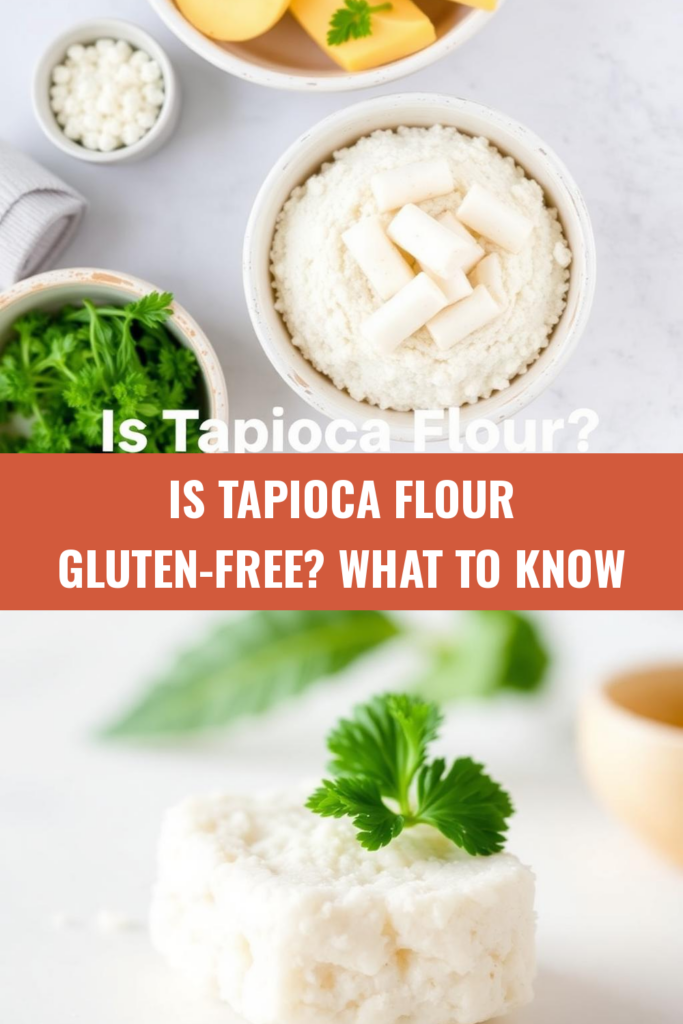
Many people assume tapioca flour is gluten-free because it comes from a root, and that assumption is correct. Tapioca flour is naturally gluten-free. It is made from the starch of the cassava root, and pure tapioca flour contains no wheat, barley, rye, or any other gluten-containing grain.
What Tapioca Flour Is
Tapioca flour (also sold as tapioca starch) is a fine, white, powdery starch extracted from the cassava root. It is not a grain; it is a root starch, which is why it is naturally free of gluten. It is commonly used in gluten-free baking to add chew and structure to breads, pizza crusts, and tortillas, and as a thickener for sauces, puddings, and pie fillings.
The only concern is cross-contamination. If tapioca flour is processed in a facility that also handles wheat, it could pick up gluten. Check the label for a “gluten-free” certification or a statement that it is processed in a dedicated gluten-free facility. If the package says “gluten-free,” it is safe for a gluten-free diet.
Gluten-Free Status and Labeling
In the United States, the FDA regulates the term “gluten-free” for packaged foods. A product labeled “gluten-free” must contain less than 20 parts per million (ppm) of gluten, which is the threshold considered safe for most people with celiac disease. Tapioca flour that carries this label is reliably gluten-free.
If the label does not say “gluten-free,” it may still be pure tapioca, but you cannot be certain it was not cross-contaminated. If you have celiac disease or a severe gluten sensitivity, choose a brand that is certified gluten-free or states it is made in a dedicated facility.
Using Tapioca Flour in Gluten-Free Baking
Tapioca flour is not a 1:1 substitute for wheat flour on its own. It lacks the protein and structure of wheat, so it is usually combined with other gluten-free flours like rice flour, sorghum flour, or almond flour. A common gluten-free flour blend is about 30% tapioca flour by weight, but blends vary.
For thickening, tapioca flour works well in fruit pies and sauces. Use about 1 tablespoon (8 g) of tapioca flour to thicken 1 cup (240 ml) of liquid, and bring the mixture to a boil to activate the starch. It creates a glossy, clear gel that is ideal for fruit fillings.
In baking, tapioca flour adds chewiness and helps bind ingredients. For example, a gluten-free pizza crust might use 1 cup (120 g) of rice flour, 1/2 cup (60 g) of tapioca flour, and 1/2 cup (60 g) of potato starch. Without tapioca, the crust would be crumbly and dry.
Worked Example: Gluten-Free Pancakes
Here is a simple ratio for gluten-free pancakes using tapioca flour:
- 1 cup (120 g) gluten-free all-purpose flour (or a mix of rice and sorghum flour)
- 1/4 cup (30 g) tapioca flour
- 1 tablespoon (12 g) sugar
- 1 teaspoon baking powder
- 1/4 teaspoon salt
- 1 cup (240 ml) milk (dairy or non-dairy)
- 1 large egg
- 2 tablespoons (30 ml) melted butter or oil
Whisk the dry ingredients together, then whisk in the milk, egg, and melted butter. Cook on a greased griddle at 375°F (190°C) for 2–3 minutes per side, until bubbles form and the edges look set. The tapioca flour helps the pancakes hold together and gives them a slightly chewy texture.
Common Misconceptions
One misconception is that tapioca flour and cassava flour are the same thing. They come from the same plant, but they are processed differently. Tapioca flour is the extracted starch; cassava flour is made from the whole root, so it has more fiber and a different texture. Cassava flour is also gluten-free, but it absorbs more liquid and behaves differently in recipes. If a recipe calls for one, do not swap them without adjusting the liquid.
Another misconception is that tapioca flour is a good wheat flour substitute in yeast breads. It is not; it lacks the gluten that gives bread its rise and structure. In gluten-free yeast breads, tapioca flour is used in small amounts (about 10–20% of the flour blend) to improve crumb, but the bulk of the flour must come from other gluten-free flours and starches.
Checking for Gluten in Tapioca Flour
If you are unsure whether a brand is gluten-free, check the ingredient list: it should contain only “tapioca flour” or “tapioca starch.” If the label includes other ingredients, read them carefully. Also look for a “gluten-free” claim or a certification symbol from a third-party organization. If you cannot confirm it, contact the manufacturer or choose a brand that clearly states it is gluten-free.
For people with celiac disease, even trace amounts of gluten can cause damage. The FDA limit of 20 ppm is the legal standard, but some people are sensitive to lower levels. If you are highly sensitive, look for products that are certified gluten-free by an organization like the Gluten-Free Certification Organization (GFCO), which requires less than 10 ppm.
Tapioca Flour for Large Batches and Kids
When baking for a large group or for children, keep the same rules in mind. If you are making a gluten-free recipe for someone with celiac disease, use only labeled gluten-free tapioca flour and avoid cross-contamination in your kitchen. Clean all surfaces and utensils before starting, and use separate containers for gluten-free flours.
For kids, tapioca flour is safe as part of a gluten-free diet, but it is a refined starch and does not provide significant nutrition. Use it as part of a balanced gluten-free baking mix, not as the sole flour. Also, remember that tapioca flour is not a low-carb or sugar-free ingredient; it is a carbohydrate, so it is not suitable for a keto diet.
If you are new to gluten-free baking, start with a tested recipe that includes tapioca flour, rather than improvising. Gluten-free baking is more sensitive to ratios, and too much tapioca can make baked goods gummy or tough.
Related
- Coconut Flour Bread Recipe with Yeast
- Pumpkin Bread With Coconut Flour Recipe
- Coconut Flour Bread: Texture, Recipe, and How to Bake It
Safe minimum internal temperatures follow USDA FSIS; raw-fish guidance follows the U.S. FDA. See our food safety notes.
Spotted an error? Tell us and we will correct it (corrections policy).