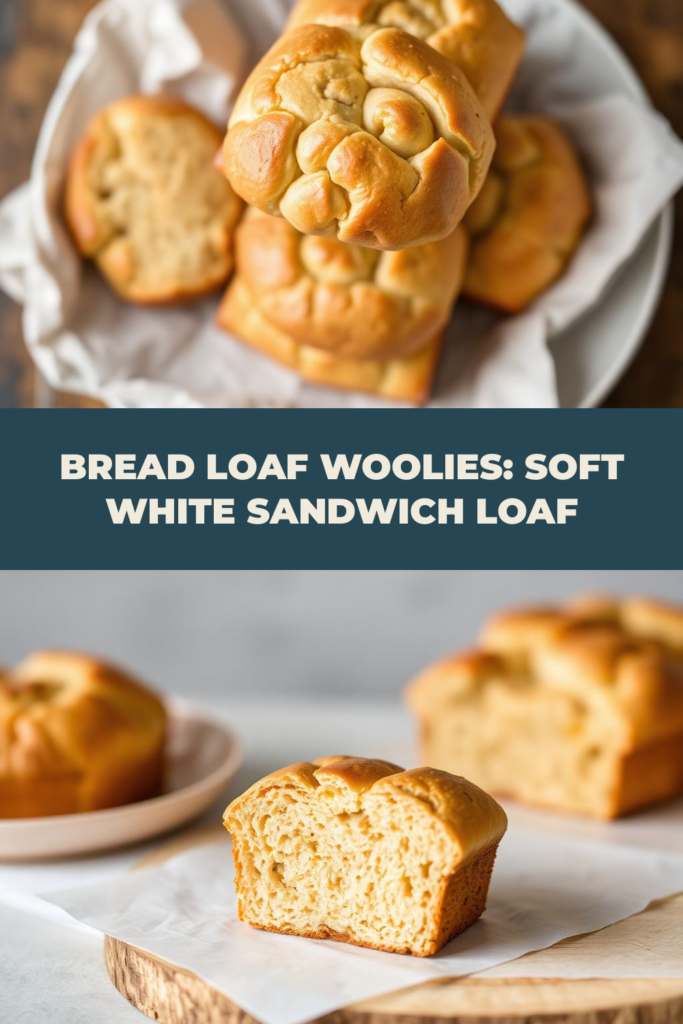
This soft white sandwich loaf is the kind of bread you bake on a weekend morning when you want the house to smell like a bakery. It makes a tall, tender loaf that slices cleanly for toast, sandwiches, or simply buttered. Serve it warm the day it is baked, or toast slices for the next few days.
Ingredients
- 4 cups (500 g) bread flour, plus more for dusting
- 2 ¼ tsp (7 g) instant yeast (one packet)
- 2 tbsp (25 g) granulated sugar
- 1 ½ tsp (9 g) fine salt
- 1 ¼ cups (300 ml) warm water (105–115°F / 40–46°C)
- 3 tbsp (45 g) unsalted butter, melted and cooled
- 1 large egg, at room temperature
- Vegetable oil or butter for greasing the bowl and pan
Instructions
- In a large bowl, whisk together the flour, yeast, sugar, and salt. In a separate bowl or liquid measuring cup, combine the warm water, melted butter, and egg.
- Pour the wet ingredients into the dry. Stir with a wooden spoon or dough whisk until a shaggy dough forms and no dry flour remains.
- Turn the dough onto a lightly floured surface. Knead for 8–10 minutes, until the dough is smooth and elastic. It should feel slightly tacky but not sticky; add flour 1 tablespoon at a time if needed. If using a stand mixer with a dough hook, knead on medium-low speed for 6–7 minutes.
- Shape the dough into a ball. Place it in a lightly oiled bowl, turning to coat. Cover with plastic wrap or a damp kitchen towel. Let rise in a warm spot (about 75°F / 24°C) for 1 to 1 ½ hours, until doubled in volume.
- Lightly grease a 9×5-inch (23×13 cm) loaf pan. Punch down the dough. On a lightly floured surface, flatten it into a rectangle about 9×12 inches (23×30 cm). Roll it up tightly from the short end, pinching the seam to seal. Place seam-side down in the prepared pan.
- Cover the pan loosely with oiled plastic wrap. Let rise for 45–60 minutes, until the dough crests about 1 inch (2.5 cm) above the rim of the pan.
- Meanwhile, preheat the oven to 375°F (190°C). Place a rack in the lower third.
- Bake the loaf for 30–35 minutes, until the top is deep golden brown and the internal temperature reads 190–200°F (88–93°C) on an instant-read thermometer. If the top browns too quickly, tent loosely with foil after 20 minutes.
- Remove the pan from the oven. Let the bread rest in the pan for 10 minutes, then turn it out onto a wire rack. Cool completely before slicing, about 1 hour.
How to Tell It’s Done
The loaf is done when it reaches an internal temperature of 190–200°F (88–93°C). It should sound hollow when tapped on the bottom. If you do not have a thermometer, insert a thin skewer into the center; it should come out clean, with no raw dough clinging.
Scaling the Recipe
| Batch | Flour | Water | Yeast | Pan size |
|---|---|---|---|---|
| Half | 2 cups (250 g) | ⅔ cup (150 ml) | 1 ⅛ tsp (3.5 g) | 8×4-inch (20×10 cm) |
| Full | 4 cups (500 g) | 1 ¼ cups (300 ml) | 2 ¼ tsp (7 g) | 9×5-inch (23×13 cm) |
| Double | 8 cups (1 kg) | 2 ½ cups (600 ml) | 4 ½ tsp (14 g) | Two 9×5-inch pans |
For the half batch, reduce the egg to 1 beaten egg, use half of it, and discard the rest. For the double batch, use 2 eggs. Rising times stay the same.
Equipment That Matters
A 9×5-inch (23×13 cm) loaf pan is standard; an 8×4-inch (20×10 cm) pan makes a taller loaf and may need 5 extra minutes of baking. A kitchen scale gives the most reliable flour measurement—scooping flour can add 10–15% more than intended. If you do not have a stand mixer, kneading by hand works fine; it just takes a few minutes longer.
Storing and Freezing
Store the cooled loaf in a plastic bag or bread box at room temperature for up to 3 days. Do not refrigerate; that dries out the crumb. For longer storage, wrap the fully cooled loaf tightly in plastic wrap, then foil, and freeze for up to 3 months. Thaw at room temperature for 2–3 hours, or toast slices directly from the freezer.
Variations
Milk Bread Version
Replace the water with warm whole milk (105–115°F / 40–46°C) and increase the butter to 4 tbsp (60 g). The loaf will be slightly richer and softer, with a tighter crumb.
Whole Wheat Blend
Use 2 cups (250 g) whole wheat flour and 2 cups (250 g) bread flour. Add 2 tbsp (30 ml) extra water, because whole wheat absorbs more. The loaf will be denser and have a nuttier flavor.
Honey Oat
Replace the sugar with 3 tbsp (60 g) honey, and sprinkle 2 tbsp rolled oats over the top before baking. Brush the top with a little melted butter after baking for a soft crust.
Why the Dough Sticks or Won’t Rise
If the dough is too sticky after kneading, add flour 1 tablespoon at a time, but stop as soon as it pulls away from the counter—over-flouring makes a dry loaf. If it does not rise in the time given, the room may be too cool; move it to a slightly warm spot, such as near a preheating oven (but not on top of it). If it rises too quickly and overflows the pan, the next time use a slightly shorter second rise, about 40 minutes.
Safe minimum internal temperatures follow USDA FSIS; raw-fish guidance follows the U.S. FDA. See our food safety notes.
Spotted an error? Tell us and we will correct it (corrections policy).