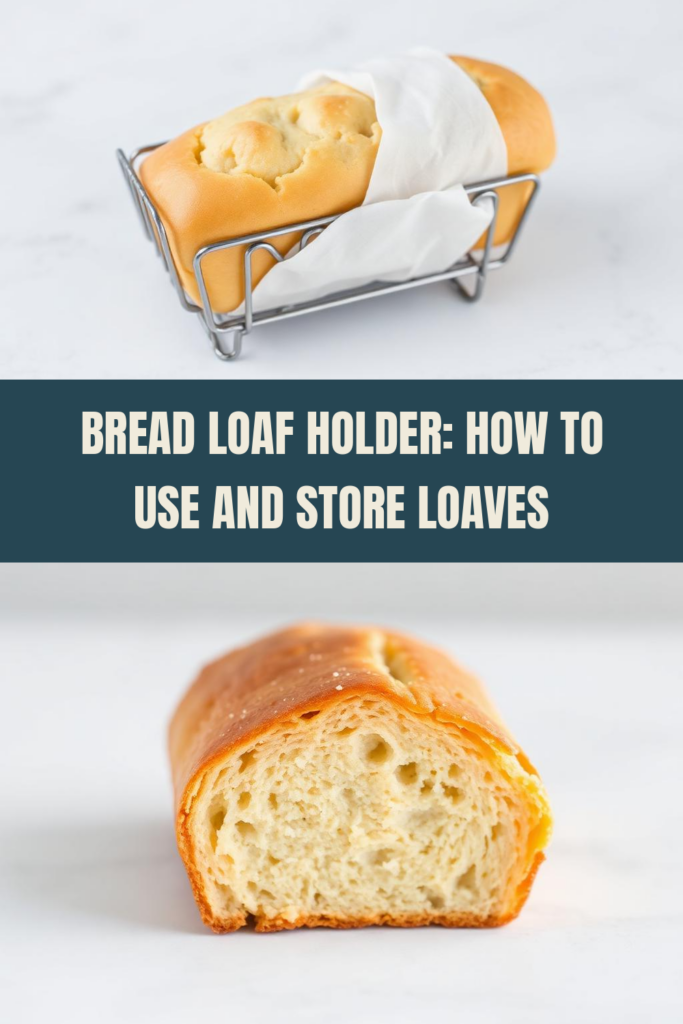
A bread loaf holder keeps cut bread from going stale by trapping the cut end against the loaf. It is a simple kitchen tool, not a cooking device, and the main task is learning how to load it so the cut face stays sealed. Most holders work with standard 9×5-inch loaves, but you can adapt them for round or longer loaves.
What a Bread Loaf Holder Does and How to Pick One
A holder is a rigid frame, often wood or metal, with a slot that holds the loaf upright. The cut end faces down or is pressed against a flat surface, which slows drying. Some holders have a clamp or a weight to press the cut side against the loaf. Others are just a V-shaped cradle that holds the loaf on its side.
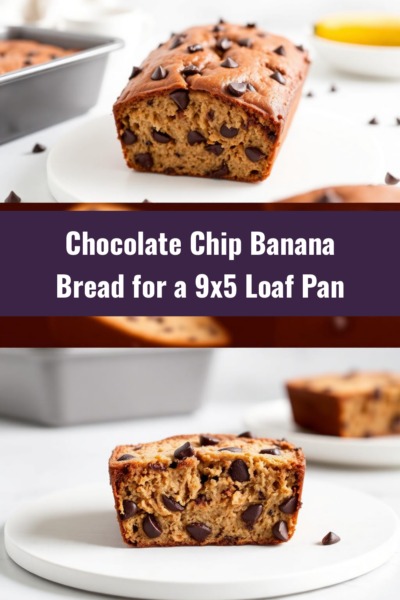
Choose a holder that matches your loaf size. Measure the length and height of your loaf after baking. A standard 9×5-inch (23×13 cm) loaf pan makes a loaf about 8 inches (20 cm) long and 4 inches (10 cm) tall. The holder’s slot should be at least as long as the loaf and tall enough to hold it without tipping.
If you bake round loaves or boules, a cradle-style holder works better than a slot. For baguettes, use a long holder or just wrap the cut end in foil.
How to Load the Holder So the Cut Stays Fresh
Let the loaf cool completely before storing. Warm bread releases moisture that condenses inside the holder and makes the crust soggy. Cool on a wire rack for at least 1 hour after baking.
- Cut the loaf only as you need it. Each time you cut, you create a new cut face that dries faster.
- Place the loaf in the holder with the cut end facing down against the flat base or the clamp. If your holder has a weight or a spring, press the cut face firmly against the loaf body.
- If the holder has no clamp, press the cut end against the loaf and hold for a few seconds so the cut surfaces stick together slightly.
- Keep the holder in a cool, dry place away from direct sunlight and heat sources like the stove or radiator. Room temperature is fine.
- Each time you cut a slice, reposition the loaf so the new cut face is pressed against the loaf again.
For a loaf that is already cut, you can also brush the cut face with a thin layer of butter or oil before pressing it back. This adds a barrier that slows drying, but it changes the texture of the next slice slightly.
How Long Does Bread Stay Fresh in a Holder?
Bread stored in a holder at room temperature stays fresh for 2 to 4 days, depending on the recipe. Homemade bread without preservatives dries faster than store-bought. A loaf with added fat (butter, oil, eggs) stays moist longer than a lean loaf.
Signs that bread is past its best: the crust feels hard and the crumb is dry and crumbly. It is still safe to eat if there is no mold, but it will toast better than it eats fresh.
If you will not finish the loaf within 4 days, freeze it. Wrap the loaf tightly in plastic wrap, then foil, and freeze for up to 3 months. Thaw at room temperature for 2 to 3 hours, or slice and toast directly from frozen.
What to Do With a Loaf That Is Too Big or Too Small
For a loaf that is too long for the holder, cut it in half and store each half with the cut ends pressed together. Or place the cut end in the holder and let the rest of the loaf extend out the top—this works if the holder is tall enough to keep the loaf upright.
For a small loaf, add a folded kitchen towel at the bottom of the slot to raise it so the cut end reaches the clamp or base. A towel also absorbs extra moisture.
For a round loaf, cut a thin slice off the bottom to create a flat face, then place that face down in a cradle holder. Or just wrap the cut side in foil and store in a paper bag.
How to Clean and Care for the Holder
Wooden holders: wipe with a damp cloth and dry immediately. Do not soak or put in the dishwasher. Once a month, rub with food-safe mineral oil to keep the wood from drying and cracking.
Metal holders: wash with warm soapy water, rinse, and dry. Most metal holders are dishwasher-safe, but check the manufacturer’s instructions.
Plastic holders: wash in warm soapy water or on the top rack of the dishwasher. Dry completely before storing.
If crumbs collect in the slot, shake them out over the sink. Do not use the holder to store bread with wet fillings or spreads—moisture will seep into the material and cause mold.
Common Mistakes and How to Avoid Them
Storing warm bread: Putting a warm loaf in the holder traps steam, making the crust soggy and speeding mold. Always cool completely first.
Cutting the whole loaf at once: Every cut face dries out. Cut only what you need and press the remaining cut face back against the loaf.
Leaving the holder in a warm spot: Heat accelerates staling and can cause mold. Keep it in a cool, dry cabinet or on a counter away from the stove.
Storage Times at a Glance
| Storage Method | Time | Notes |
|---|---|---|
| In holder, room temperature | 2–4 days | Depends on recipe; higher fat keeps longer |
| In plastic bag, room temperature | 3–5 days | Softer crust, but can get soggy |
| In freezer, wrapped | Up to 3 months | Thaw at room temperature or toast |
| In refrigerator | Not recommended | Dries out faster and picks up odors |
If you see mold, discard the whole loaf—do not just cut off the moldy part, as spores may have spread invisibly.
Safe minimum internal temperatures follow USDA FSIS; raw-fish guidance follows the U.S. FDA. See our food safety notes.
Spotted an error? Tell us and we will correct it (corrections policy).