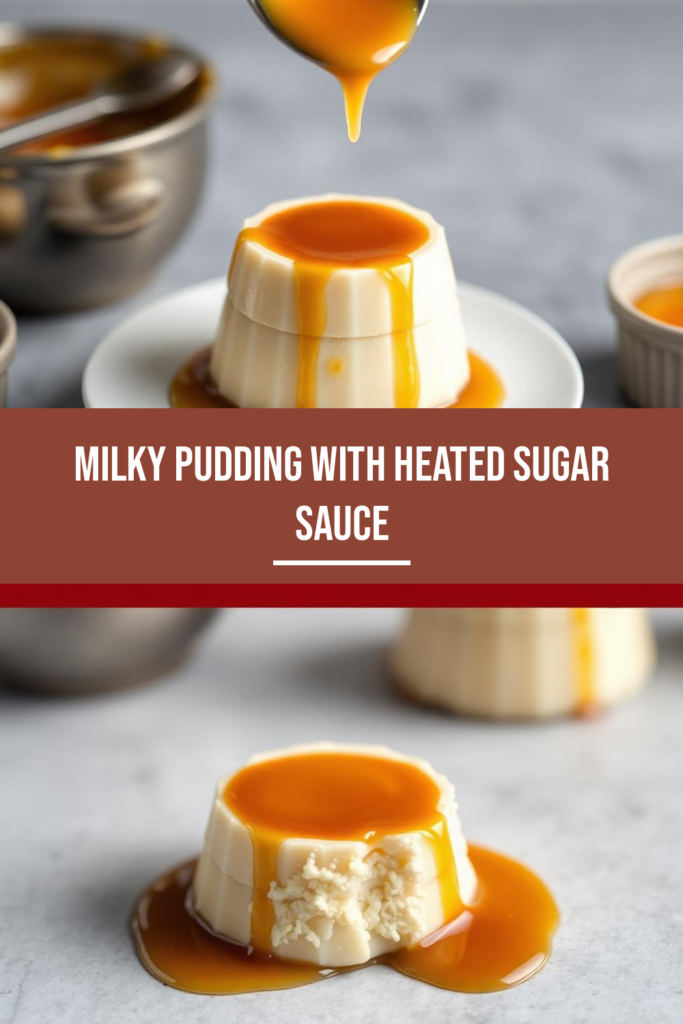
Time: 1 hr 20 min total (20 min prep, 50 min bake, 10 min rest) · Serves: 6 · The key step: bake the custard in a water bath so it sets silky, then chill it fully before unmolding.
This is a classic creme caramel: a smooth, milky custard baked over a layer of caramelized sugar, then inverted so the golden sauce runs over the top. It tastes like sweet, rich milk with a deep toasty caramel edge, and it works for a dinner party or a simple family dessert.
Ingredients
- For the caramel: 1 cup (200 g) granulated sugar, 1/4 cup (60 ml) water, 1/2 tsp lemon juice (optional, helps prevent crystallization)
- For the custard: 2 cups (480 ml) whole milk, 1 cup (240 ml) heavy cream (or use all milk for a lighter version), 1/2 cup (100 g) granulated sugar, 1 tsp vanilla extract, 3 large eggs plus 2 egg yolks (room temperature)
- For the water bath: boiling water, enough to come halfway up the ramekins
Substitutions: Use 3 cups (720 ml) whole milk instead of milk + cream for a leaner custard; the texture will be slightly less rich. For a dairy-free version, use 3 cups (720 ml) full-fat oat milk or coconut milk and omit the cream; the custard will be softer and the flavor will shift.
Instructions
- Preheat the oven to 325°F (165°C). Place six 6-oz (180 ml) ramekins in a deep baking dish or roasting pan.
- Make the caramel: In a small saucepan, combine 1 cup (200 g) sugar, 1/4 cup (60 ml) water, and lemon juice. Cook over medium heat without stirring, swirling the pan occasionally, until the syrup turns a deep amber color, about 8-10 minutes. Immediately pour the hot caramel into the ramekins, tilting to coat the bottoms evenly. Set aside to harden.
- Make the custard: In a medium saucepan, heat the milk, cream, and 1/2 cup (100 g) sugar over medium heat until the sugar dissolves and steam rises, but do not boil. Remove from heat and stir in the vanilla.
- In a large bowl, whisk the eggs and egg yolks until just blended. Slowly pour the hot milk mixture into the eggs, whisking constantly, to temper the eggs. Strain the mixture through a fine-mesh sieve into a large measuring cup or bowl.
- Pour the custard over the caramel in the ramekins. Place the baking dish on the oven rack, then carefully pour boiling water into the dish until it reaches halfway up the sides of the ramekins.
- Bake for 45-50 minutes, until the custards are set around the edges but still slightly jiggly in the center (an instant-read thermometer inserted into the center should read 160°F (71°C), the USDA FSIS safe minimum for egg dishes).
- Remove the ramekins from the water bath and let cool on a wire rack for 10 minutes. Then refrigerate, uncovered, for at least 4 hours or overnight, until fully chilled.
- To unmold: Run a thin knife around the edge of each ramekin. Place a serving plate over the ramekin and invert quickly. The caramel sauce will pool around the custard. Serve immediately.
How Long Does the Pudding Keep?
Once baked and chilled, the custards keep in the refrigerator for up to 4 days. Keep them in the ramekins, covered with plastic wrap, until ready to unmold. Do not leave them at room temperature for more than 2 hours total (1 hour if the room is above 90°F/32°C).
For longer storage, you can freeze the baked, chilled custards in their ramekins, tightly wrapped, for up to 2 months. Thaw overnight in the refrigerator before unmolding. The texture may be slightly softer after freezing, but it will still be safe and tasty.
Can I Make It Ahead?
Yes, this dessert is ideal for making a day ahead. Prepare the recipe through step 6, then refrigerate the ramekins, covered, for up to 24 hours before unmolding. The caramel will continue to dissolve into a sauce as it sits, which is perfect.
If you need to serve the same day, bake at least 5 hours ahead to allow for chilling. The custard must be completely cold to unmold cleanly.
What If My Caramel Crystallizes or Burns?
If the caramel crystallizes (turns grainy and solid), it usually means the sugar was stirred while cooking or the pan had sugar crystals on the sides. To fix it, add a little water and heat gently, swirling, until the sugar dissolves again. If it burns, it will taste bitter; start over.
To avoid crystallization, use a clean pan, add the lemon juice, and do not stir. If you see crystals forming, brush the sides of the pan with a wet pastry brush.
Variations: Vanilla Bean and Coffee
Vanilla bean: Split one vanilla bean lengthwise and scrape the seeds into the milk before heating. Add the pod to the milk, steep for 10 minutes, then remove. This gives a more intense vanilla flavor.
Coffee: Add 1 tbsp instant espresso powder to the milk before heating. This adds a subtle coffee bitterness that balances the caramel sweetness.
What to Serve With It
Serve the pudding chilled, with the caramel sauce spooned over. A few fresh berries or a light dusting of powdered sugar brighten the plate. For a richer pairing, serve with a small dollop of lightly sweetened whipped cream or a scoop of vanilla ice cream. It also pairs well with strong coffee or espresso after dinner.
Why Is My Custard Watery or Curdled?
Watery custard usually means it was underbaked. The center should be set but still slightly jiggly; if it sloshes like liquid, bake 5-10 minutes more. Curdled custard happens when the eggs cook too quickly, often because the oven was too hot or the water bath was not deep enough. Always use a water bath and check the oven temperature with an oven thermometer.
If you see small curdles, the custard is overcooked; it will still be safe to eat but the texture will be grainy.
Large Batches and Kids
To double the recipe, use a 9×13-inch (23×33 cm) baking dish instead of ramekins. Bake at 325°F (165°C) for 55-65 minutes, until the center reaches 160°F (71°C). Cool and chill, then cut into squares.
For kids, reduce the caramel cooking time slightly to make a lighter, less bitter sauce. You can also make mini custards in 4-oz (120 ml) jars; bake for 30-35 minutes.
Safe minimum internal temperatures follow USDA FSIS; raw-fish guidance follows the U.S. FDA. See our food safety notes.
Spotted an error? Tell us and we will correct it (corrections policy).