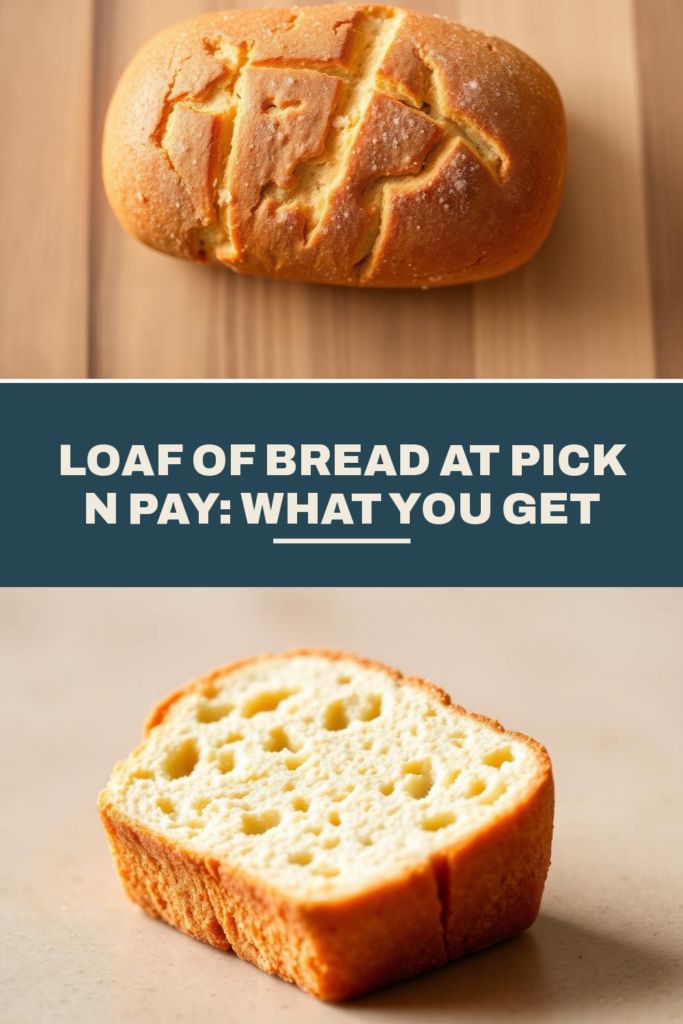
At Pick n Pay, a standard loaf of white bread is a soft, sliced sandwich loaf that weighs about 700 g (24.7 oz) and costs around R15–R20, depending on the brand and any current special. It is baked fresh daily and delivered to stores, so you are getting a commercial bakery loaf, not a crusty artisanal one. This page covers what to expect from the most common loaves, how to choose one, and how to keep it fresh.
What Types of Loaves Does Pick n Pay Sell?
Pick n Pay stocks several bread categories. The most common are:
- White bread – soft, high-rising, mild flavour, best for sandwiches and toast.
- Brown bread – made with a mix of white and whole-wheat flour, slightly denser and nuttier.
- Whole-wheat bread – 100% whole-wheat flour, denser crumb, higher fibre.
- Low-GI bread – made with wholegrains and seeds, lower glycaemic index (GI) claim, denser texture.
- Rye bread – darker, tangier, often with caraway seeds, sold in smaller loaves.
- Gluten-free bread – typically smaller and more crumbly, made with rice or tapioca flour.
Most loaves are pre-sliced and come in plastic bags with a twist tie. Some bakeries in larger stores also sell unsliced loaves and rolls.
How Much Does a Loaf Cost and How Big Is It?
Prices vary by store and region, but typical ranges (as of 2025) are:
- White or brown loaf (700 g): R15–R20
- Whole-wheat or low-GI loaf (700 g): R18–R25
- Rye loaf (500 g): R20–R28
- Gluten-free loaf (400–500 g): R35–R50
A standard 700 g loaf yields about 20–24 slices, depending on thickness. The exact weight is printed on the front of the bag.
How to Choose the Freshest Loaf at Pick n Pay
Bread is usually delivered to stores early in the morning. To get the freshest loaf:
- Check the best-before date on the twist tie – it is usually 3–4 days from delivery.
- Look for a loaf that is not squashed – the bag should be puffed, not flat.
- Press the bread gently through the bag – it should spring back, not stay dented.
- If you need bread for the weekend, buy on Thursday or Friday morning when fresh stock is out.
If the shelf is empty, ask a staff member – they often have unopened crates in the back.
How Long Does a Loaf Keep and How Should You Store It?
An unopened loaf keeps until the best-before date. Once opened, it stays fresh for 2–3 days at room temperature in a cool, dry place. To keep it longer:
- Store in a bread bin or a paper bag – plastic traps moisture and speeds up mould.
- Freeze slices for up to 3 months – separate slices with baking paper so you can pull out one at a time.
- Thaw frozen slices at room temperature for 15–20 minutes, or toast directly from frozen.
If you see mould, discard the whole loaf – cutting off the mouldy part is not safe because the roots spread invisibly.
What Can You Do With a Loaf of Bread?
Beyond sandwiches and toast, a standard loaf works for:
- French toast – soak slices in beaten egg and milk, then fry in butter.
- Bread pudding – tear stale bread, soak in custard, bake until set.
- Croutons – cube, toss with oil and herbs, bake at 180°C (350°F) for 10–12 minutes.
- Breadcrumbs – blitz stale slices in a food processor, then toast for crispy crumbs.
For sandwiches, choose a soft white or brown loaf; for toast with toppings, a denser whole-wheat or rye holds up better.
Is Pick n Pay Bread Good Value Compared to a Bakery?
Pick n Pay bread is cheaper than artisanal bakery loaves, which typically cost R40–R60 for a similar weight. The trade-off is texture and flavour – commercial loaves are softer and sweeter, with a finer crumb, while bakery loaves have a thicker crust and more complex taste. If you want the best of both, buy a bakery loaf for special meals and a Pick n Pay loaf for everyday use.
What About the Pick n Pay Bakery’s Own Bread?
Many Pick n Pay stores have an in-store bakery that bakes bread on the premises. These loaves are often sold warm and have a better crust than the factory-baked ones. They are usually labelled with a bakery sign and may be slightly more expensive (R20–R30). Ask the bakery staff when the next batch comes out – it is often mid-morning and late afternoon.
Can You Return a Bad Loaf?
If a loaf is stale, mouldy, or damaged before the best-before date, you can return it to the store with your receipt. Pick n Pay’s policy is to refund or replace faulty products, but you need to bring the bread and proof of purchase. Check the store’s customer service desk for details.
How to Make Your Own Loaf Instead
If you want to bake your own, a simple white loaf recipe yields a 900 g loaf:
- 500 g (4 cups) bread flour
- 10 g (2 tsp) instant yeast
- 10 g (2 tsp) salt
- 350 ml (1.5 cups) warm water
- 15 ml (1 tbsp) olive oil
- Mix flour, yeast, and salt in a large bowl.
- Add water and oil, stir into a shaggy dough.
- Knead for 8–10 minutes until smooth and elastic.
- Place in a greased bowl, cover, and let rise for 1 hour until doubled.
- Shape into a loaf, place in a greased 23×13 cm (9×5 inch) tin, and let rise for 30 minutes.
- Bake at 200°C (400°F) for 30–35 minutes, until the loaf sounds hollow when tapped.
Cool completely before slicing. Homemade bread keeps 2–3 days at room temperature, or freeze for up to 3 months.
What Do the Labels Mean?
South African bread labels follow regulations:
- Brown bread – must contain at least 50% whole-wheat flour.
- Whole-wheat – must be 100% whole-wheat flour.
- Low-GI – must have a glycaemic index of 55 or less, usually achieved with added grains and seeds.
Check the ingredient list – if sugar or syrup is among the first three ingredients, the bread is sweeter and softer.
Bread for Large Batches and Kids
For a big family, buy two loaves and freeze one. For lunchboxes, choose a soft white or brown loaf – kids often prefer the mild taste. To make sandwiches ahead, assemble them and freeze in individual portions – they thaw by lunchtime and stay fresh.
Safe minimum internal temperatures follow USDA FSIS; raw-fish guidance follows the U.S. FDA. See our food safety notes.
Spotted an error? Tell us and we will correct it (corrections policy).





