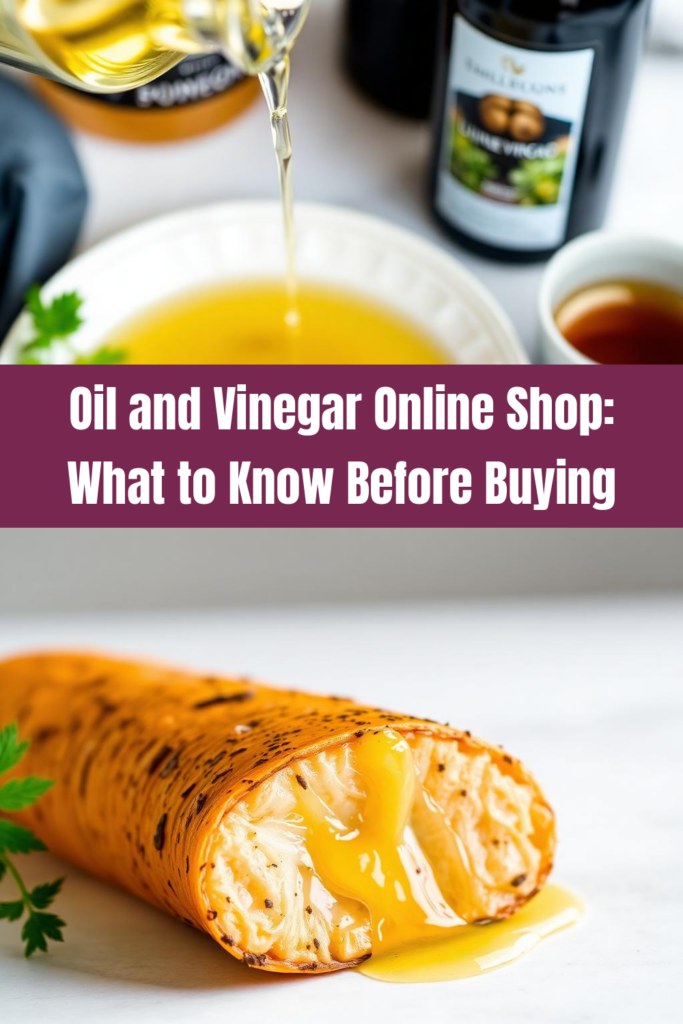
Finding a reliable oil and vinegar online shop is straightforward, but the range of choices can be overwhelming. The key is to know what you plan to cook and how quickly you’ll use each bottle, because freshness and storage matter more than brand names. This guide covers what to look for, what to buy first, and how to keep your oils and vinegars at their best.
What to Look for in an Online Oil and Vinegar Shop
Most online shops specialize in either single-origin extra virgin olive oils, flavored balsamic vinegars, or both. Before ordering, check the harvest date on olive oil (it should be within the last 12–18 months) and the vinegar’s production method (traditional balsamic is aged, while commercial balsamic is often blended with wine vinegar and caramel). Read the product descriptions for tasting notes—peppery olive oil pairs with salads, while fruity ones suit dipping bread. Also look for clear bottle sizes (typically 250 ml, 500 ml, or 1 liter) and whether the shop offers sample sets, which are a practical way to try several without committing to large bottles.
Shipping matters: olive oil should be protected from heat and light during transit, so choose a shop that uses insulated packaging or ships quickly in warm months. Check the return policy for damaged bottles, and note that some shops allow you to order by flavor profile rather than brand, which can help if you’re new to the category.
First Order: What to Buy and How Much
For a first order, start with one bottle of extra virgin olive oil (EVOO) and one bottle of balsamic vinegar. A 500 ml bottle of EVOO lasts about 2–3 months with daily use; a 250 ml balsamic lasts longer because you use less per dish. If you cook a lot of salads, buy a 500 ml balsamic. If you mostly drizzle oil over finished dishes, a 250 ml bottle is enough.
Consider a flavored vinegar (like fig or pomegranate) for dressings, and a neutral oil (like grapeseed or avocado) for high-heat cooking. A sample pack of four 60 ml bottles is a smart way to test flavors before buying full sizes. Avoid buying more than you can use in six months—olive oil degrades over time, and vinegar can lose its sharpness.
How to Store Oil and Vinegar for Maximum Shelf Life
Store both in a cool, dark place away from the stove or window. Olive oil should be kept between 60–70°F (15–21°C); refrigeration is fine but causes cloudiness, which clears at room temperature. Vinegar does not need refrigeration, but keep it tightly capped to prevent evaporation. Once opened, use olive oil within 3–6 months for best flavor; vinegar can last up to 2 years, but flavor fades after 1 year. If you buy flavored oils with garlic, herbs, or chili, refrigerate them and use within 4 days—these infusions can harbor botulism bacteria if left at room temperature.
Check for rancidity in olive oil by smelling it: it should smell fresh and fruity, not like crayons or putty. If it smells off, discard it. Vinegar that develops sediment or a flat taste is still safe but less flavorful; strain or replace it.
Common Mistakes When Buying Oil and Vinegar Online
The biggest mistake is buying huge bottles of olive oil because they seem economical—you’ll likely waste half. Another is choosing a dark glass bottle over a clear one: dark glass protects against light, but clear glass lets you see the color, which is not a reliable quality indicator. Also, don’t assume expensive means better; taste and freshness matter more than price. Finally, avoid buying flavored oils with added herbs unless you plan to use them quickly—they spoil faster than plain oil.
When reading labels, ignore terms like “cold-pressed” if they’re not backed by a harvest date. Look for “extra virgin” and a specific region or variety (like Arbequina or Koroneiki) if you want a particular flavor. For balsamic, check if it’s “Traditional Balsamic Vinegar of Modena” (aged in wood barrels, complex) or “Balsamic Vinegar of Modena” (blended, sweeter, cheaper). Both are fine, but they behave differently in cooking.
Substitutions and Pairings: When to Swap
If a recipe calls for a specific vinegar and you don’t have it, use these swaps: 1 tablespoon balsamic vinegar = 1 tablespoon red wine vinegar + ½ teaspoon sugar; 1 tablespoon rice vinegar = 1 tablespoon white wine vinegar; 1 tablespoon apple cider vinegar = 1 tablespoon lemon juice. For oil, 1 cup olive oil = 1 cup avocado oil (neutral, higher smoke point) or 1 cup grapeseed oil (light, good for baking). Each swap changes flavor: avocado oil is buttery, grapeseed is clean, and olive oil adds fruitiness.
For dressings, a classic ratio is 3 parts oil to 1 part vinegar, but adjust to taste. If you’re using a thick, aged balsamic, you may want more oil to balance its sweetness. For marinades, use 2 parts oil to 1 part vinegar plus herbs and garlic. For dipping bread, choose a peppery EVOO and a thick balsamic that coats a spoon.
How to Check Quality When Your Order Arrives
When the package arrives, inspect the bottles for leaks or damage. Open the oil and smell it—it should smell fresh, not stale. Pour a small amount into a glass and taste it: good EVOO should be slightly bitter and peppery at the back of the throat. If it’s flat or greasy, it’s likely old. For vinegar, taste a drop: it should be tangy and sweet, not harsh or overly acidic. If the vinegar is cloudy, shake it—sediment is normal in unfiltered varieties.
Check the harvest date on the oil label; if it’s more than 18 months old, contact the shop for a replacement. For vinegar, check the bottle for any signs of fermentation (like fizzing) which is rare but possible. If anything seems off, take a photo and email the shop—most reputable sellers will replace damaged or subpar products.
Related
- Lemon Bread With Oil: Moist Quick Bread Recipe
- Substitute for Oil in Zucchini Bread
- Apple Cider Vinegar Vinaigrette Recipe
Safe minimum internal temperatures follow USDA FSIS; raw-fish guidance follows the U.S. FDA. See our food safety notes.
Spotted an error? Tell us and we will correct it (corrections policy).