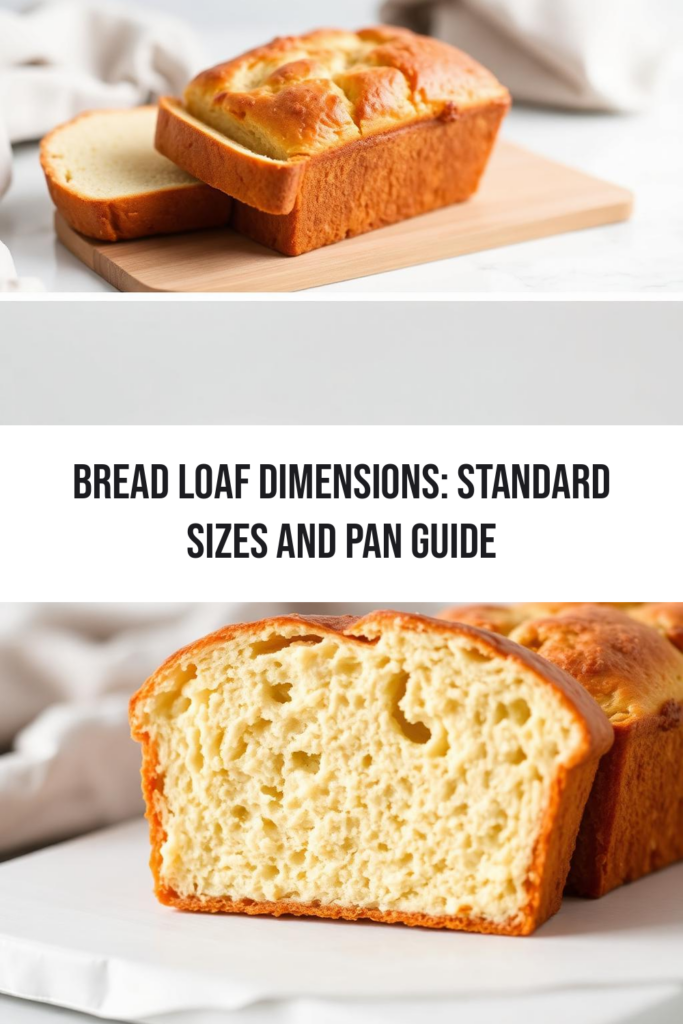
Bread loaf dimensions vary by pan and recipe, but the standard home-baked loaf is about 9 by 5 inches (23 by 13 cm) at the base, 3 inches (8 cm) tall, and weighs roughly 1 to 1.5 pounds (450 to 680 g). What most bakers overlook is that pan size directly controls how high the loaf rises and how evenly it bakes — using the wrong pan can turn a good recipe into a squat, dense brick or a domed, cracked one. This page gives you the common loaf sizes, how to match them to your recipe, and what to do when you only have a different pan.
What Are the Standard Bread Loaf Dimensions?
Standard loaf pans come in three common sizes, measured across the top rim and the base:
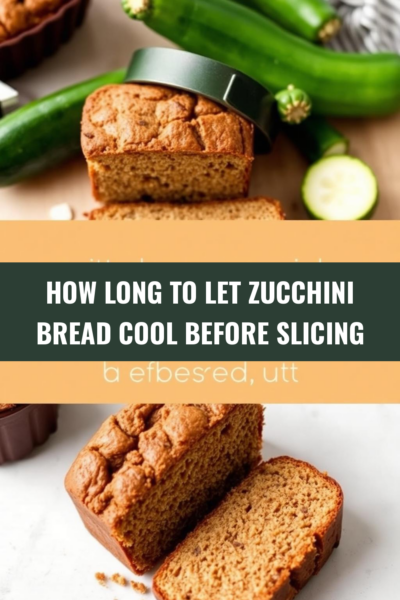
- 8.5 x 4.5 inches (22 x 11 cm) – holds about 6 cups (1.4 L) of batter or dough. This is the classic quick-bread size (banana bread, zucchini bread).
- 9 x 5 inches (23 x 13 cm) – holds about 8 cups (1.9 L). This is the standard for yeast breads and larger quick breads.
- 10 x 5 inches (25 x 13 cm) – holds about 10 cups (2.4 L), often used for large sourdough or artisanal loaves.
Base measurements are slightly smaller than rim measurements because pans taper. A 9 x 5 pan has a base of about 8.5 x 4.5 inches. Always measure the inside top of the pan, not the outside.
How to Match Pan Size to Your Recipe
Recipes usually specify a pan size. If yours doesn’t, measure the batter or dough volume: fill the pan with water and note the cups. For quick breads, the batter should fill the pan about 2/3 to 3/4 full. For yeast bread, the dough should fill the pan about 1/2 to 2/3 full after shaping, leaving room to rise.
If you only have a different pan, adjust the recipe by scaling the ingredients. The table below shows common conversions.
Scaling Table for Common Loaf Pans
| Pan size (top rim) | Volume | Recipe multiplier from 9×5 | Bake time change |
|---|---|---|---|
| 8.5 x 4.5 in (22 x 11 cm) | 6 cups (1.4 L) | 0.75x | Add 5–10 min, check earlier |
| 9 x 5 in (23 x 13 cm) | 8 cups (1.9 L) | 1x | As written |
| 10 x 5 in (25 x 13 cm) | 10 cups (2.4 L) | 1.25x | Reduce by 5–10 min, check earlier |
For example, if a banana bread recipe calls for 2 cups (240 g) flour and a 9×5 pan, using an 8.5×4.5 pan means using 1.5 cups (180 g) flour. Bake time will be slightly longer because the loaf is taller. Always test for doneness with a skewer or thermometer (see below).
What Size Loaf Does a 9×5 Pan Produce?
A standard 9×5 pan yields a loaf that is about 9 inches long, 5 inches wide, and 3 to 4 inches tall after baking. The weight is typically 1 to 1.5 pounds (450–680 g), depending on the recipe. A 1-pound loaf is common for sandwich bread; a 1.5-pound loaf is denser or richer (like brioche).
If you’re buying a bread pan, check the bottom of the pan for stamped dimensions. Many pans have the size printed on the base. If not, measure the inside top edge with a ruler.
What Happens If You Use the Wrong Pan Size?
Using a pan that is too small (e.g., 8.5×4.5 for a 9×5 recipe) causes the batter or dough to overflow during baking. The loaf will dome excessively, crack, and may sink in the center because the outside sets before the inside cooks. Bake time increases because the loaf is thicker.
Using a pan that is too large (e.g., 10×5 for a 9×5 recipe) makes a shallow, wide loaf that bakes faster and dries out. The bread will be shorter and may not rise enough to fill the pan, producing a flat top.
For yeast breads, an undersized pan can cause the dough to burst over the rim; an oversized pan makes a flat, dense loaf with poor crumb structure.
How to Check if Your Loaf Is Done
Doneness depends on internal temperature and visual cues, not just time. For quick breads (like banana or zucchini), insert a skewer into the center; it should come out clean or with a few moist crumbs, not wet batter. For yeast breads, the internal temperature should read 190–200°F (88–93°C) on an instant-read thermometer. For enriched doughs (with eggs or butter), aim for 200°F (93°C).
If the top is browning too fast before the center is done, tent loosely with foil at the halfway point.
How Long Does Baked Bread Keep?
Baked bread (quick or yeast) keeps at room temperature for 3 to 4 days if wrapped tightly in plastic or kept in a bread box. Refrigerating bread speeds up staling, so only refrigerate if it contains perishable fillings (like cream cheese or custard). For longer storage, freeze bread: wrap tightly in plastic wrap, then foil, and freeze for up to 3 months. Thaw at room temperature. Quick breads with moist ingredients (like banana) can develop mold faster; check for any fuzzy spots and discard if present.
Common Mistakes and How to Avoid Them
Overfilling the Pan
Filling the pan more than 3/4 full for quick breads or 2/3 for yeast dough causes overflow and a sunken center. Measure your batter volume before baking.
Using a Dark or Glass Pan Without Adjusting
Dark metal and glass pans absorb heat faster, causing the crust to brown too quickly and the center to remain underdone. Reduce oven temperature by 25°F (14°C) and check doneness 5–10 minutes early.
Not Greasing the Pan Properly
If the loaf sticks, it may tear when removed. Grease the pan thoroughly with butter or oil, then dust with flour or line with parchment paper. For sticky batters, parchment is the most reliable.
What About Mini Loaf Pans?
Mini loaf pans typically measure 5.75 x 3.25 inches (14 x 8 cm) and hold about 2 cups (480 ml). They are great for gifts or portion control. Bake quick breads at the same temperature but reduce time to about 40–50 minutes for a 2-cup loaf. Check with a skewer.
For a 9×5 recipe, you can divide the batter into three mini pans (each about 2 cups). Bake at the same temperature, but start checking at 40 minutes.
Reference: Bread Loaf Size by Type
| Bread type | Typical pan size | Baked loaf dimensions |
|---|---|---|
| Sandwich bread | 9×5 in (23×13 cm) | 9 x 5 x 3–4 in (23 x 13 x 8–10 cm) |
| Quick bread (banana, zucchini) | 8.5×4.5 in (22×11 cm) | 8.5 x 4.5 x 3 in (22 x 11 x 8 cm) |
| Sourdough boule (no pan) | Free-form on baking sheet | 8–10 in diameter (20–25 cm), 3–4 in tall |
| French baguette | Baguette pan (15 x 3 in / 38 x 8 cm) | 15 in long, 2 in wide (38 x 5 cm) |
For free-form loaves, shape the dough into a round or oval and bake on a parchment-lined sheet; dimensions will vary with dough weight.
Do You Need a Bread Lame or Scoring Tools?
Scoring (slashing) the top of yeast breads before baking controls where the loaf expands. A sharp knife or a bread lame works. Score 1/2 inch deep at a 45-degree angle. This is not about dimensions, but it affects final loaf height and shape.
How to Measure a Loaf Pan Correctly
To measure a loaf pan: place a ruler across the top rim from inside edge to inside edge for length and width. Measure the depth from the inside bottom to the top rim. The volume is length x width x depth, minus the taper. For accuracy, fill the pan with water and pour into a measuring cup.
If you don’t have a ruler, use a standard sheet of paper (8.5 inches wide) as a rough guide.
Safe minimum internal temperatures follow USDA FSIS; raw-fish guidance follows the U.S. FDA. See our food safety notes.
Spotted an error? Tell us and we will correct it (corrections policy).