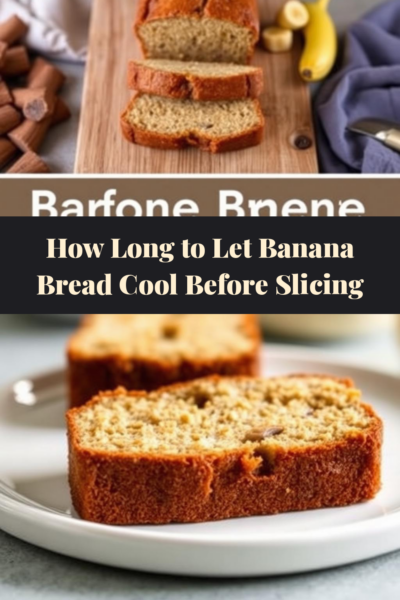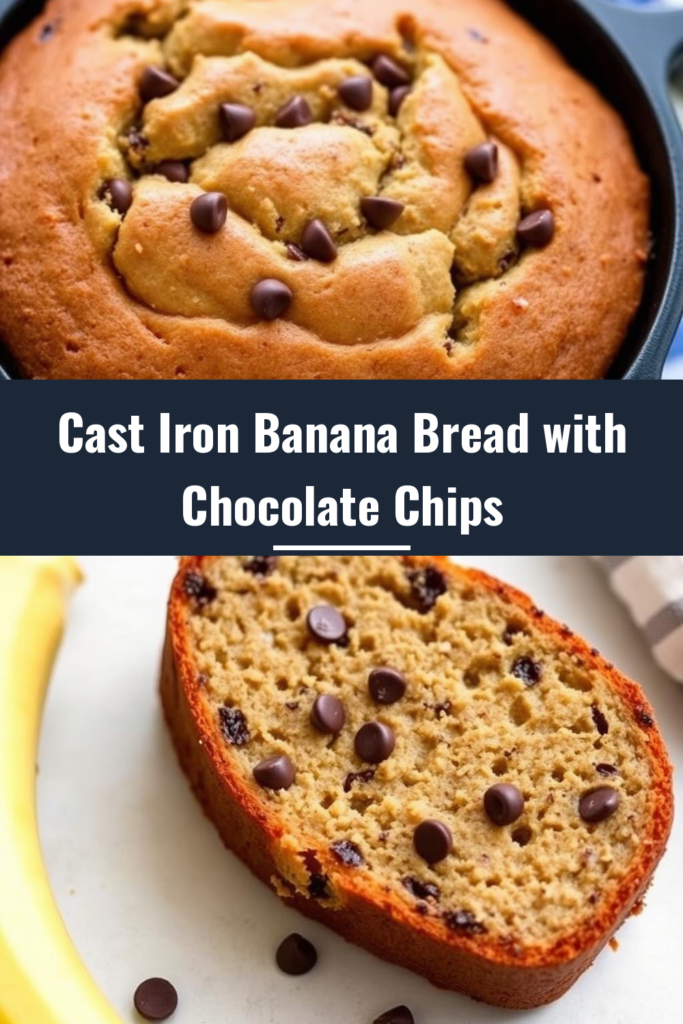
Cast iron banana bread gets a crisp, caramelized crust and a tender, moist center because the heavy pan holds steady heat and browns the batter deeply at the edges. The chocolate chips add pockets of melted sweetness that balance the banana’s natural tang. This loaf suits a weekend breakfast, an afternoon snack, or a simple dessert served warm with butter.
Ingredients
- 1 ¾ cups (220 g) all-purpose flour
- 1 teaspoon baking soda
- ½ teaspoon salt
- ½ cup (113 g) unsalted butter, melted and cooled
- ¾ cup (150 g) granulated sugar
- 2 large eggs, at room temperature
- 1 ½ cups (340 g) mashed ripe bananas (about 3 large)
- ¼ cup (60 g) plain yogurt or sour cream
- 1 teaspoon vanilla extract
- 1 cup (170 g) semisweet chocolate chips
- 1 tablespoon (15 g) butter, for greasing the skillet
Instructions
- Preheat the oven to 350°F (175°C). Place a 10-inch (25 cm) cast iron skillet in the oven while it heats.
- In a medium bowl, whisk together the flour, baking soda, and salt.
- In a large bowl, mix the melted butter and sugar until combined. Beat in the eggs one at a time, then stir in the mashed bananas, yogurt, and vanilla.
- Fold the dry ingredients into the wet mixture until just combined—do not overmix. Gently fold in the chocolate chips.
- Carefully remove the hot skillet from the oven. Add the 1 tablespoon butter and swirl to coat the bottom and sides.
- Pour the batter into the skillet and smooth the top. Bake for 45–50 minutes, until a toothpick inserted in the center comes out clean or with a few moist crumbs, and the top is deep golden brown.
- Cool in the skillet on a wire rack for 15 minutes, then slice and serve warm, or cool completely before storing.
Why the Skillet Changes the Crust and Crumb
The cast iron pan conducts heat far more efficiently than a glass or metal loaf pan. The hot buttered skillet sears the outside of the batter as soon as it hits the pan, creating a thick, crisp crust that contrasts with the soft interior. The high sides also allow the bread to rise into a domed top rather than a flat loaf. If you use a 9-inch (23 cm) skillet, the bread will be thicker and need 5–10 extra minutes; a 12-inch (30 cm) skillet will spread thinner and bake faster, so start checking at 35 minutes.
What to Do If the Bread Sticks to the Pan
Even with butter, a very ripe or high-sugar batter can stick. Let the bread cool in the skillet for at least 15 minutes—this lets the crust firm up. Run a thin spatula around the edge, then invert onto a plate. If it still resists, place the skillet back on a low burner for 30 seconds to loosen the caramelized sugars, then try again.
Substitutions and What Each One Changes
- Yogurt or sour cream: Use plain Greek yogurt, buttermilk, or even mashed banana (reduce the banana to 1 ¼ cups / 285 g). The acid in yogurt helps activate the baking soda; without it, the bread will be denser.
- Chocolate chips: Use dark, milk, or white chips, or chopped chocolate. White chips are sweeter and less bitter; dark chips (60% cacao) give a deeper contrast.
- Butter: Replace with coconut oil or neutral oil (like canola) for a dairy-free version. Oil makes the crumb slightly more tender but less crisp on the crust.
- Sugar: Reduce to ½ cup (100 g) if your bananas are very ripe and sweet, but the crust will be less caramelized.
- Flour: Swap 1 cup (125 g) of the all-purpose flour for whole wheat; the bread will be denser and slightly nuttier.
Why the Bread Comes Out Dry, Runny, or Dense
Too Dry
Overbaking is the main cause. The bread is done when a toothpick comes out with a few moist crumbs, not completely clean. Also, too much flour (scooping with a measuring cup compacts it) or too little banana can dry it out. Measure flour by spooning it into the cup and leveling off.
Too Runny or Sunken in the Middle
If the center sinks, the batter was underbaked—the edges set but the middle didn’t. This happens when the oven runs cool or the skillet is too large. Always check with a toothpick at the center, and if the top browns too fast, tent loosely with foil for the last 10 minutes.
Too Dense
Overmixing develops gluten, which makes the bread tough and heavy. Mix just until the flour disappears—a few streaks are fine. Also, using under-ripe bananas (not fully yellow with brown spots) will produce a less tender crumb because they have less sugar and moisture.
Storing and Reheating Cast Iron Banana Bread
Once completely cool, wrap the bread tightly in plastic wrap or store in an airtight container at room temperature for up to 3 days. For longer storage, wrap in plastic wrap and then foil, and freeze for up to 3 months. Thaw overnight in the refrigerator or at room temperature. To reheat, place slices in a 350°F (175°C) oven for 5–7 minutes, or microwave for 15 seconds—this restores the crisp crust better in a toaster oven. Do not leave the bread out for more than 2 hours total; if the kitchen is above 90°F (32°C), reduce that to 1 hour.
Related
- What to Serve with Chocolate Chip Cookies
- Banana Bread Chocolate Loaf Recipe
- Vegetables to Serve with Chocolate Chip Cookies
Safe minimum internal temperatures follow USDA FSIS; raw-fish guidance follows the U.S. FDA. See our food safety notes.
Spotted an error? Tell us and we will correct it (corrections policy).