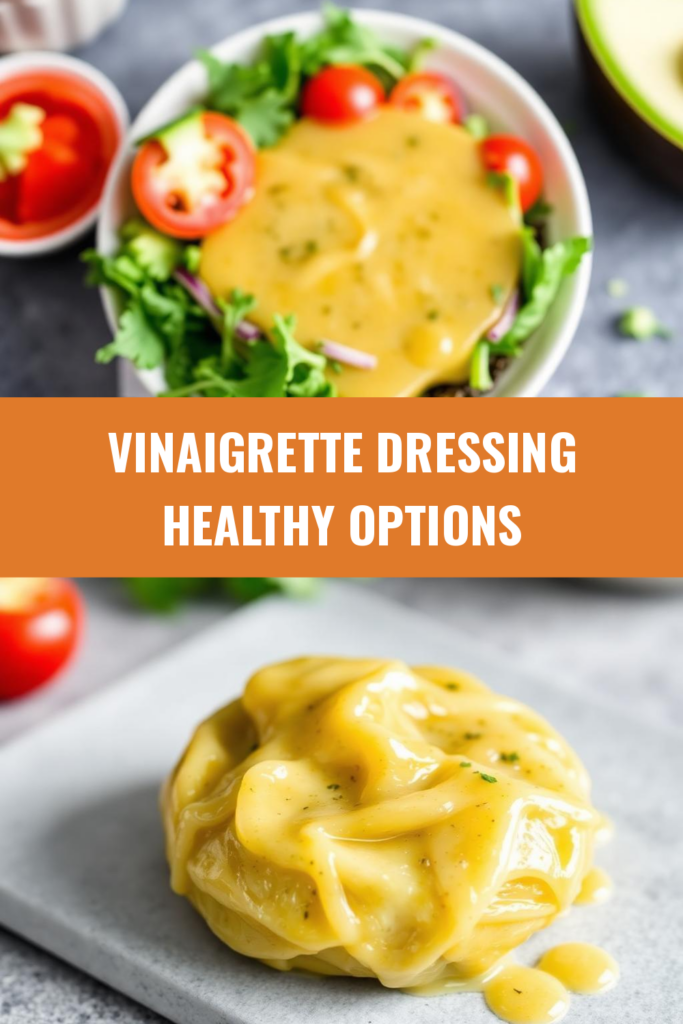
Time: 10 minutes · Serves: 4 · The key step: Whisk oil into vinegar slowly to emulsify. A basic vinaigrette is a simple mix of oil, acid, and seasonings, and it can be made lighter by using less oil and more vinegar or lemon juice. This version is bright, tangy, and versatile for salads, grain bowls, or roasted vegetables.
What Makes a Vinaigrette Lighter
A standard vinaigrette is usually 3 parts oil to 1 part vinegar. For a lighter option, reduce the oil to 2 parts oil and 1 part vinegar, or even 1:1. You can also swap some of the oil for a flavorful liquid like orange juice, apple cider, or a splash of water. The dressing will be thinner and more tart, but it still clings to greens if you whisk in a small amount of mustard or honey, which act as emulsifiers.
Ingredients
- 3 tbsp (45 ml) extra-virgin olive oil
- 3 tbsp (45 ml) red wine vinegar or apple cider vinegar
- 1 tbsp (15 ml) lemon juice (about ½ lemon)
- 1 tsp (5 ml) Dijon mustard
- 1 tsp (5 ml) honey or maple syrup (optional)
- 1 small shallot, finely minced (about 2 tbsp / 20 g)
- Salt and black pepper to taste (about ¼ tsp salt, ⅛ tsp pepper)
Instructions
- In a small bowl, combine the vinegar, lemon juice, mustard, honey (if using), shallot, salt, and pepper. Whisk until the salt dissolves.
- Slowly drizzle in the olive oil while whisking constantly. Continue whisking until the dressing looks slightly thickened and well combined, about 30 seconds.
- Taste and adjust seasoning. If it’s too sharp, add a tiny pinch of salt or a drop more honey. If it’s too oily, add a teaspoon more vinegar.
- Use immediately, or refrigerate in a sealed jar for up to 5 days. If refrigerated, let it come to room temperature and shake well before using.
How to Adjust the Flavor
This base recipe is a starting point. For a milder, sweeter dressing, use white wine vinegar and add an extra teaspoon of honey. For a more savory version, replace the honey with a small clove of minced garlic and add a pinch of dried oregano. If you want a creamy texture without adding dairy, blend in 2 tablespoons of plain Greek yogurt or a quarter of an avocado—this also thickens the dressing and makes it cling better to sturdy greens like kale.
Common Mistakes and Fixes
Mistake: Dressing separates quickly. This happens when the oil is added too fast or the mustard is omitted. Fix: whisk in the oil drop by drop at first, and always include the mustard—it helps keep the emulsion stable.
Mistake: Too tart or too oily. If it tastes sharp, add a pinch of salt or a little honey. If it tastes greasy, add an extra teaspoon of vinegar and whisk well.
Mistake: Dressing is too thin. A vinaigrette should coat the back of a spoon lightly. If it’s watery, whisk in a teaspoon of mustard or a few drops of water—actually, the opposite: add a little more oil, but remember this is a lighter version. For a thicker dressing, blend in a teaspoon of chia seeds and let sit for 10 minutes.
Storage and Make-Ahead
Store the vinaigrette in a sealed glass jar in the refrigerator for up to 5 days. The oil will solidify when cold; let it sit at room temperature for 15 minutes, then shake vigorously before using. Do not leave the dressing at room temperature for more than 2 hours (1 hour if above 90°F/32°C). If you add fresh herbs, they will lose color after a day—use them within 24 hours. For longer storage, freeze the dressing in an ice cube tray for up to 2 months, but note that the emulsion may break; whisk well after thawing.
Using This Vinaigrette
This dressing works on any green salad, but it’s especially good with bitter greens like arugula or radicchio. Use about 2 tablespoons per 4 cups of greens. It also makes a quick marinade for chicken or fish—use it within 2 hours of adding to raw meat, and discard any leftover marinade that touched raw protein. For a grain bowl, toss with warm quinoa or farro; the warmth helps the dressing absorb.
Related
- Paleo Flour Substitutes: Best Options and How to Use Them
- How to Make Apple Cider Vinaigrette Dressing
- Cider Vinaigrette Dressing for Salads
Safe minimum internal temperatures follow USDA FSIS; raw-fish guidance follows the U.S. FDA. See our food safety notes.
Spotted an error? Tell us and we will correct it (corrections policy).