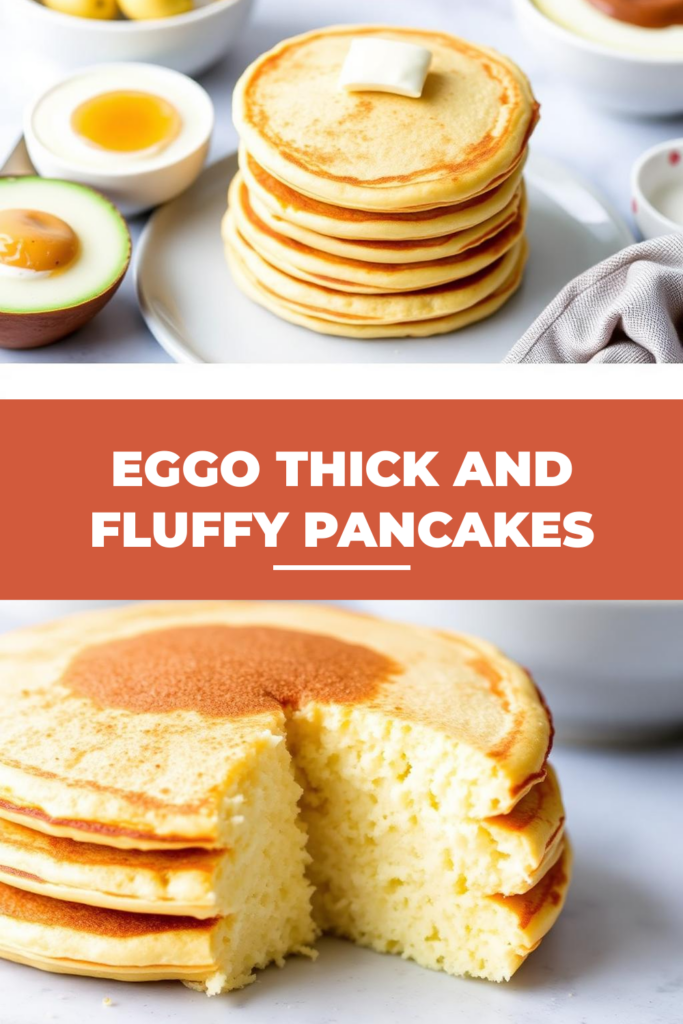
These pancakes match the thick, fluffy texture of the freezer-aisle classic, made from scratch with pantry staples. They cook up tall and tender with a slightly crisp edge, perfect for a weekend breakfast or a quick weekday stack. The key is a thick batter and a hot griddle—don’t thin it out.
Ingredients
- 2 cups (250 g) all-purpose flour
- 2 tbsp (25 g) granulated sugar
- 1 tbsp (14 g) baking powder
- 1/2 tsp baking soda
- 1/2 tsp salt
- 2 large eggs
- 1 3/4 cups (420 ml) buttermilk (see substitution below)
- 1/4 cup (60 g) unsalted butter, melted and slightly cooled
- 1 tsp vanilla extract
Instructions
- In a large bowl, whisk together the flour, sugar, baking powder, baking soda, and salt. Make a well in the center.
- In a separate bowl, beat the eggs, then whisk in the buttermilk, melted butter, and vanilla until combined.
- Pour the wet ingredients into the dry ingredients. Stir with a spatula just until no dry streaks remain—the batter will be thick and slightly lumpy. Do not overmix.
- Let the batter rest for 5 minutes while the griddle heats. This allows the baking powder to activate and the flour to hydrate.
- Heat a griddle or large nonstick skillet over medium heat (about 350°F/175°C). Lightly grease with butter or oil.
- Pour 1/4 cup (60 ml) of batter per pancake onto the hot surface. Spread gently if needed—the batter is thick. Cook until bubbles form on the surface and the edges look set, about 2–3 minutes.
- Flip and cook until the other side is golden brown and the pancake is cooked through, about 2–3 minutes more. The internal temperature of egg dishes should reach 160°F (71°C) per USDA FSIS safe minimum—check with a food thermometer if you’re unsure.
- Transfer to a plate and keep warm in a 200°F (95°C) oven while cooking the remaining batter.
Substitutions That Keep the Thick and Fluffy Texture
Buttermilk: If you don’t have buttermilk, add 1 tbsp (15 ml) lemon juice or white vinegar to 1 3/4 cups (420 ml) whole milk and let sit for 5 minutes. This mimics buttermilk’s acidity, which reacts with the baking soda for lift.
All-purpose flour: For a lighter texture, replace up to 1/2 cup (60 g) of the all-purpose flour with cake flour. Do not use whole wheat flour without increasing the liquid, or the pancakes will be dense.
Butter: Use 1/4 cup (60 ml) vegetable oil instead of melted butter. The pancakes will be slightly less rich but still tender.
Eggs: For an egg-free version, use 1/2 cup (120 ml) unsweetened applesauce plus 1 tbsp (15 ml) oil instead of 2 eggs. The texture will be slightly more cakey.
Why the Batter Is Thick and How to Handle It
This batter is deliberately thicker than standard pancake batter—it should barely pour off the spoon. That thickness is what creates the tall, fluffy interior. If it seems too thick to spread, add 1–2 tbsp (15–30 ml) of buttermilk, but no more. If you add too much liquid, the pancakes will come out thin and flat.
When pouring, use a 1/4-cup measure for even sizes. Spread the batter slightly with the back of a spoon if it doesn’t flow on its own. Keep the heat at medium; if the pancakes brown too quickly, lower the heat to medium-low after the first batch.
Make-Ahead Timeline for a Busy Morning
These pancakes are best fresh, but you can prep ahead in two ways:
- Dry mix (up to 1 week): Combine the flour, sugar, baking powder, baking soda, and salt in an airtight container. When ready, whisk the wet ingredients and stir into the dry mix.
- Cooked pancakes (up to 2 days): Cook the full batch, cool completely on a wire rack, then stack with parchment paper between each pancake. Refrigerate in a sealed container.
For a make-ahead breakfast, cook the pancakes the night before, refrigerate, and reheat in a toaster or oven the next morning.
Storing and Reheating Leftovers
Refrigerate leftover pancakes in an airtight container for up to 3 days. To freeze, place cooled pancakes in a single layer on a baking sheet, freeze until firm, then transfer to a freezer bag with parchment between layers—they keep for up to 2 months.
Reheat refrigerated pancakes in a toaster on medium, or in a 350°F (175°C) oven for 5–7 minutes until warm. For frozen pancakes, toast directly from frozen, adding 1–2 minutes. Do not microwave more than 30 seconds per pancake, or they turn rubbery.
Serving and Pairing Ideas for This Stack
Serve these pancakes with warm maple syrup and a pat of butter. For a thicker, more indulgent stack, spread peanut butter or Nutella between layers. Fresh berries, sliced bananas, or a dusting of powdered sugar work well. If you like a savory contrast, add crispy bacon or breakfast sausage on the side. For a brunch spread, pair with scrambled eggs and fresh fruit salad.
What to Do If Your Pancakes Are Flat or Dense
Flat pancakes usually mean the batter was overmixed or the griddle wasn’t hot enough. Overmixing develops gluten, which makes pancakes tough and flat. Stir only until the flour disappears—lumps are fine. If the griddle is too cool, the pancakes spread slowly and don’t rise; test with a drop of batter—it should sizzle immediately. Dense pancakes can also result from expired baking powder. To test, stir 1 tsp baking powder into 1/3 cup hot water—if it doesn’t bubble vigorously, replace it.
Safe minimum internal temperatures follow USDA FSIS; raw-fish guidance follows the U.S. FDA. See our food safety notes.
Spotted an error? Tell us and we will correct it (corrections policy).